
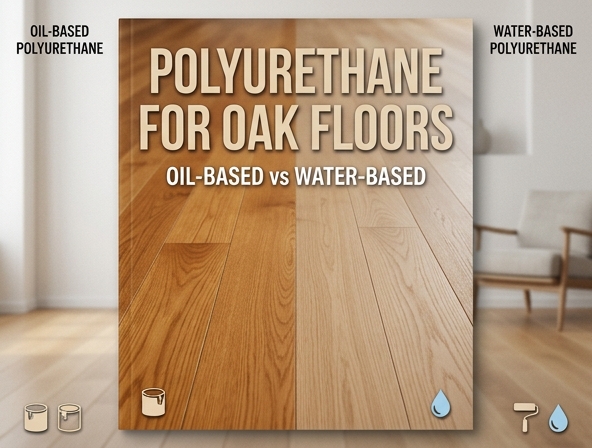
Keeping oak hardwood floors looking pristine can feel like a frustrating battle, especially when you are terrified of using the wrong product and accidentally ruining the wood's finish. Before you select a cleaning regimen, you must recognize that your daily maintenance chores are entirely dictated by the type of protective barrier sealing your floor. Choosing the right polyurethane doesn't just protect your oak; it grants you a significantly faster, stress-free cleaning routine that preserves your home's value.
However, we must stipulate that while both oil- and water-based coatings shield against wear, their unique chemical makeups demand very different care. For example, water-based polyurethane requires strictly pH-neutral cleaners and minimal moisture via damp microfiber cloths, whereas cured oil-based finishes are more resilient against water but highly susceptible to dulling from acidic DIY vinegar solutions. Below, we break down the maintenance timelines, daily cleaning protocols, and long-term durability of both finishes to determine which is truly easier to maintain.
Introduction: The Oak Floor Dilemma
Oak hardwood floors are a timeless investment, prized for their prominent grain patterns, natural warmth, and exceptional durability. To safeguard this valuable asset from daily foot traffic, moisture, and stains, applying a high-quality protective topcoat is absolutely essential. For decades, polyurethane has served as the gold standard of protection, sealing the wood pores and creating a resilient shield. However, homeowners face a critical decision when selecting a finish: should they choose traditional oil-based or modern water-based polyurethane? This choice dictates not only the initial aesthetic of the oak but also defines the ease of long-term cleaning, daily maintenance routines, and the floor's overall lifespan.
Oil-Based Polyurethane: Characteristics and Protection
Oil-based polyurethane has long been the industry standard for finishing oak hardwood floors. This formulation relies on petroleum-derived solvents and synthetic resins to carry the protective solids, which slow-cure through chemical oxidation over several days. The slow curing process allows the liquid to flow smoothly, self-leveling into a rich, substantial layer that accentuates the depth of the oak's grain.
The Maintenance Legacy of Oil-Based Seals
The outstanding feature of an oil-based finish is the thick, moisture-impermeable barrier it forms. Because it dries to a high-build profile, it provides robust resistance to heavy physical wear. This heavy coat means that everyday dust and superficial scuffs tend to sit on top of a very dense shield, protecting the underlying wood fibers from direct contact and keeping spills from penetrating the oak easily.
Water-Based Polyurethane: Modern Durability
In contrast, water-based polyurethane utilizes water as the primary carrier for acrylic and polyurethane resins. This advanced chemical composition dries incredibly fast-often within a few hours-enabling multiple coats to be applied in a single day. Rather than sitting on top of the wood as a heavy amber layer, water-based finishes dry completely clear, preserving the natural color of red or white oak without darkening.
Contemporary Wear Resistance
Modern water-based formulas are often reinforced with aluminum oxide or ceramic compounds, offering exceptional surface hardness. While the resulting dry film is thinner than its oil-based counterpart, it is remarkably elastic and tough. This thin-film technology resists micro-scratching from grit and holds up beautifully under the constant friction of daily household traffic.
Daily Cleaning Routines: Dusting and Mopping
Routine maintenance differs slightly depending on the texture and electrostatic properties of the cured finish. Dust, pet hair, and fine grit are the primary enemies of both coatings, requiring regular removal to prevent dulling scratches.
- Oil-Based Surfaces: The thicker film can sometimes hold static electricity, which attracts fine dust. A soft microfiber dust mop or a vacuum without a rotating beater bar is ideal for lifting loose debris before it can grind into the high-build coat.
- Water-Based Surfaces: Because water-based finishes cure to a harder, tighter surface tension, dust and pet dander slide off more easily, requiring less effort during a dry-mopping routine.
- Mopping Practices: For both finishes, wet mopping must be kept to a minimum, using a damp microfiber pad and a neutral pH wood cleaner to avoid standing liquid.
Resistance to Spills and Chemical Cleaners
Oak floors in active households are inevitably subjected to accidental drops, spills, and cleaning agents. How each polyurethane barrier responds to chemical exposure directly influences long-term cleaning success.
Oil-Based Chemical Tolerance
Oil-based polyurethane is highly resistant to water spills and mild acidic liquids like juice or wine, provided they are wiped up promptly. However, it can react poorly to harsh, ammonia-based or highly alkaline chemical cleaners, which can gradually degrade the cured oil molecules and leave a cloudy, unfixable residue on the floor.
Water-Based Chemical Tolerance
Water-based polyurethane exhibits excellent resistance to a wide variety of household chemicals and alcohol. Because it cures into an inert, tightly linked plastic mesh, it is less susceptible to dulling when exposed to standard hardwood floor cleaners, making spot-cleaning and sanitizing a much safer endeavor.
Scratches, Scuffs, and High-Traffic Wear
Physical impacts from pets, shoes, and shifting furniture affect the appearance of oak floors over time. Managing these blemishes requires understanding how each coating behaves under pressure.
- Oil-based finishes are softer and more pliable, which helps them absorb impacts without immediately cracking, but they are more prone to deep scuffing and scratch marks from dog claws.
- Water-based finishes are extremely hard and scratch-resistant, making them ideal for high-traffic zones, though a severe impact may cause a tiny hairline fracture in the thin, brittle film.
- Spot-treating minor scuffs on an oil-based floor is relatively straightforward, as a dab of matching finish can blend easily into the existing high-build layer.
- Repairing a scratch on water-based polyurethane can be more challenging due to its transparent nature, often requiring precise sanding and application of a specialized touch-up pen to hide the mark.
Long-Term Maintenance: Screen and Re-coat Processes
No matter how carefully you clean, both types of polyurethane will eventually require maintenance to restore their original luster. Rather than sanding the oak wood down to the bare timber, a less invasive maintenance process called "screening and recoating" can be performed. This involves lightly abrading the top layer of polyurethane and applying a fresh topcoat to fill in micro-scratches. Water-based polyurethanes typically require a screen-and-recoat every 3 to 5 years, whereas thick oil-based finishes can often go 5 to 7 years before needing refreshment. However, when complete refinishing is finally required, oil-based polyurethane takes significantly longer to sand off due to its gummy, heat-sensitive nature under sanding pads.
Color Aging and Aesthetic Maintenance
The visual evolution of your oak floor affects how clean it looks. Dust and dirt can show up differently depending on the color and tone shifts of the protective polyurethane coat over time.
The Ambering Effect of Oil-Based Finishes
Oil-based polyurethane naturally ambers or yellows over time when exposed to UV light and air. On golden or red oak, this warm amber glow is often desired, but it can make dirt, pet hair, and dust less visible to the naked eye, allowing you to delay sweeping slightly without the floor looking neglected.
The Clear Longevity of Water-Based Finishes
Water-based polyurethane remains completely non-yellowing and crystal clear throughout its entire lifespan. While this keeps white oak looking modern and bright, the transparent film means every speck of dark dust, pet hair, and debris is highly visible, demanding more frequent dusting to maintain a pristine look.
Direct Comparison: Cleaning and Maintenance Metrics
| Metric | Oil-Based Polyurethane | Water-Based Polyurethane |
|---|---|---|
| Drying & Curing Time | Slower (up to 30 days full cure) | Fast (7 to 14 days full cure) |
| Chemical Resistance | Moderate (sensitive to alkalis) | High (resists household chemicals) |
| Scratch Resistance | Moderate (more pliable, scuffs easily) | Excellent (harder, resists micro-scratches) |
| Spot Repairability | Easier (blends well with old layers) | Moderate (requires precise touch-ups) |
| Daily Cleaning Effort | Low (hides dust well due to ambering) | Moderate (shows dust clearly due to transparency) |
The Verdict: Which Polyurethane Is Easier to Maintain?
Choosing the right polyurethane for your oak floors comes down to a balance between daily cleaning habits and long-term repair preferences. Water-based polyurethane is the champion for modern, busy households because of its exceptional scratch resistance, fast drying times, and defense against chemical spills. On the flip side, oil-based options offer a forgiving surface that hides dust in its amber warmth and allows for easier spot repairs when scuffs do happen. For most modern homeowners, water-based finishes provide the easiest daily cleaning experience, while oil-based finishes remain the best choice for those seeking maximum years between recoats. Evaluate your lifestyle, traffic patterns, and aesthetic preferences to make the perfect choice for your oak floors.
Leave a comment