
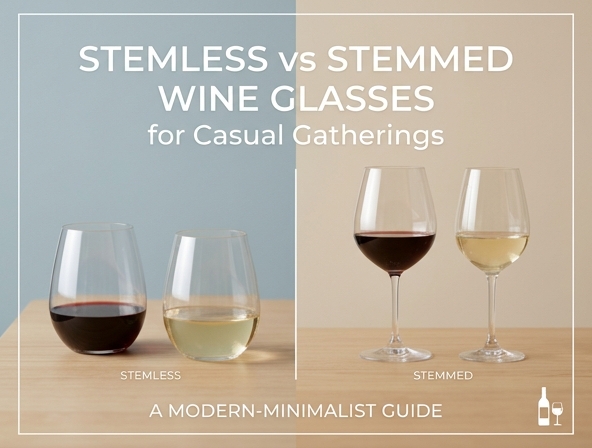
Hosting a casual get-together should be relaxing, yet choosing the right glassware often induces unnecessary anxiety. Hosts frequently struggle to strike the perfect balance between casual comfort and aesthetic sophistication, fearing their table setup might look either too stuffy or entirely careless.
Before diving into specific glassware mechanics, it is important to recognize how modern entertaining has transitioned from formal dining rooms to relaxed kitchen counters and outdoor patios. Selecting the right vessel grants hosts the peace of mind to enjoy their own party, ensuring guests feel comfortable while the wine's character remains intact.
While sensory purists stipulate that complex varietals like Pinot Noir require traditional, high-stemmed bowls for optimal aeration and temperature control, casual backyard barbecues demand a different set of practical priorities. In this guide, we will analyze the durability and heat-transfer of stemless designs against the elegant, temperature-preserving benefits of stemmed glasses, helping you select the perfect option for your next gathering.
Introduction: The Great Glassware Dilemma
Every host knows the feeling of preparing for a casual get-together, scanning the cupboards, and pausing at the glassware shelf. The choice between stemless and stemmed wine glasses is more than a matter of simple aesthetics; it represents a fascinating tension between tradition and convenience. While traditional stemmed glasses carry centuries of etiquette, the modern stemless design offers a relaxed, worry-free alternative perfect for today's laid-back gatherings.
Finding the right balance means understanding how your choice of glass influences the atmosphere. Whether you are hosting an intimate backyard barbecue or a cozy indoor game night, the vessel you choose can subtly shape your guests' experience, making the debate highly relevant for any modern entertainer.
The Appeal of Stemless Glasses: Casual and Carefree
Stemless wine glasses have rapidly grown in popularity, quickly becoming a staple in modern households. Their rise is closely tied to the shift toward more informal, relaxed entertaining styles where comfort takes precedence over formal protocol.
- Modern Aesthetic: With their clean lines and minimalist silhouette, stemless glasses look effortlessly chic and fit perfectly into contemporary home decor.
- Lower Center of Gravity: Because they sit flat on the table, these glasses are incredibly stable and highly resistant to tipping over, even during lively conversations.
- Enhanced Durability: Lacking a delicate stem-the most vulnerable part of traditional glassware-stemless designs are much less likely to snap or chip during a party.
The Case for Stemmed Glasses: Elevating the Experience
Despite the convenience of modern alternatives, classic stemmed glasses continue to hold a special place at the table. They bring an undeniable sense of occasion to even the most casual events, reminding us that wine appreciation is a sensory journey.
- Temperature Control: Holding a glass by the stem prevents body heat from transferring to the bowl, keeping white, rosé, and sparkling wines perfectly chilled for longer.
- Smudge-Free Bowls: Grasping the stem keeps fingerprints off the glass, ensuring a clear view of the wine's color and clarity throughout the evening.
- Classic Elegance: The traditional silhouette elevates the visual appeal of your table setting, immediately signaling to guests that they are in for a curated experience.
Temperature and Taste: How Design Affects the Wine
The physics of glassware design directly influences how a wine tastes and behaves over the course of an evening. When using stemless glasses, your hand naturally wraps around the bowl, accelerating the heat transfer from your skin to the liquid. This can warm up crisp white wines and delicate rosés faster than desired, potentially dulling their bright acidity.
Aeration is another key factor. While both styles allow wine to breathe, the swirling motion used to aerate wine is much easier and safer to execute with a stemmed glass. Swirling a stemless glass requires a bit more care to avoid accidental spills, meaning your guests might miss out on fully releasing the wine's aromatic bouquet.
Durability and Maintenance: Which Survives the Party?
When the last guest leaves, the host is left with the cleanup. This is where the practical differences between the two styles become glaringly obvious. Stemless glasses are generally much more resilient, easily fitting into the top rack of standard dishwashers without the risk of tall stems snapping during the wash cycle.
In contrast, stemmed glasses require meticulous handling. They often demand handwashing or specialized dishwasher racks, and their higher breakage rates during both use and cleanup can be a source of stress for hosts. Storing stemless glasses is also simpler, as they stack neatly and take up significantly less cabinet space.
Setting the Vibe: Match Your Glass to the Theme
Your choice of glassware is a silent cue that helps establish the mood of your event. Matching the vessel to your party's theme helps guests understand how relaxed or refined the gathering is meant to be, setting expectations before the first sip is even taken.
"For lively outdoor barbecues, poolside hangs, or casual game nights, stemless glasses are the undisputed champions, preventing spills on uneven surfaces. For cozy dinner parties or tasting-focused evenings, stemmed glasses add that touch of refinement that honors the wine."
Versatility: Beyond Wine
One of the greatest strengths of the stemless design is its incredible multi-use capability. While a stemmed glass is almost exclusively reserved for wine, a stemless glass transitions seamlessly into other roles, making it a highly economical choice for hosts who want to minimize clutter.
These versatile vessels are perfect for serving craft cocktails, iced water, sodas, or even creative layered desserts like chocolate mousse or parfaits. Investing in a set of high-quality stemless glasses ensures you have a go-to option for any beverage, maximizing your cabinet space and budget.
Guest Comfort and Accessibility
A great host considers the physical comfort of every person in the room. Ergonomically, stemless glasses offer a more secure and natural grip for a wider variety of hands. Guests with limited mobility, arthritis, or hand tremors often find the sturdy, flat-bottomed design much easier to hold and set down without fear of spills.
During lively events where guests are standing, mingling, and moving around, holding a stemmed glass can sometimes feel like a delicate balancing act. Stemless options reduce anxiety, allowing everyone to focus on the conversation rather than worrying about managing fragile stemware.
The Verdict: Which Is Best for Your Casual Gathering?
To help you decide which style suits your next gathering, here is a direct comparison highlighting the ideal scenarios and key benefits of each option.
| Feature | Stemless Glasses | Stemmed Glasses |
|---|---|---|
| Best For | Casual parties, outdoor events, family gatherings | Wine tastings, formal dinners, holiday celebrations |
| Durability | High (shatter-resistant, dishwasher-friendly) | Moderate to Low (delicate stems, requires careful washing) |
| Versatility | Excellent (works for wine, water, cocktails, desserts) | Limited (primarily used for wine and champagne) |
| Temperature Control | Low (hand heat transfers to the wine) | High (keeps wine chilled longer) |
Conclusion: Elevate Your Hosting Game
At the end of the day, successful hosting is not measured by the perfection of your table setting, but by the warmth of your hospitality. Whether you choose the laid-back convenience of stemless glasses or the timeless grace of stemmed options, the goal remains the same: to create a space where everyone feels welcome.
Select the glassware that aligns with your personal style and the mood of the evening. When your guests are relaxed and laughing, you will know you made the perfect choice, proving that genuine connections always outshine any rules of etiquette.
Leave a comment