
Water-wise Landscaping: Sustainable Ideas for Drought-tolerant Frontyards
With global climate change becoming an ever-increasing reality, it is essential for homeowners to adapt their lifestyles and choices to promote sustainability. One area where we can make a significant impact is in our front yard landscaping: native plants and synthetic turf solutions">front yard landscaping. By implementing drought-tolerant ideas, not only can we save water, but we can also create a beautiful and environmentally-friendly space that is both cost-effective and low-maintenance.
In this blog post, we will explore some creative and inspiring ways to transform your front yard into a green oasis that thrives even in the driest of times.
Drought-resistant greenery for sustainable landscapes
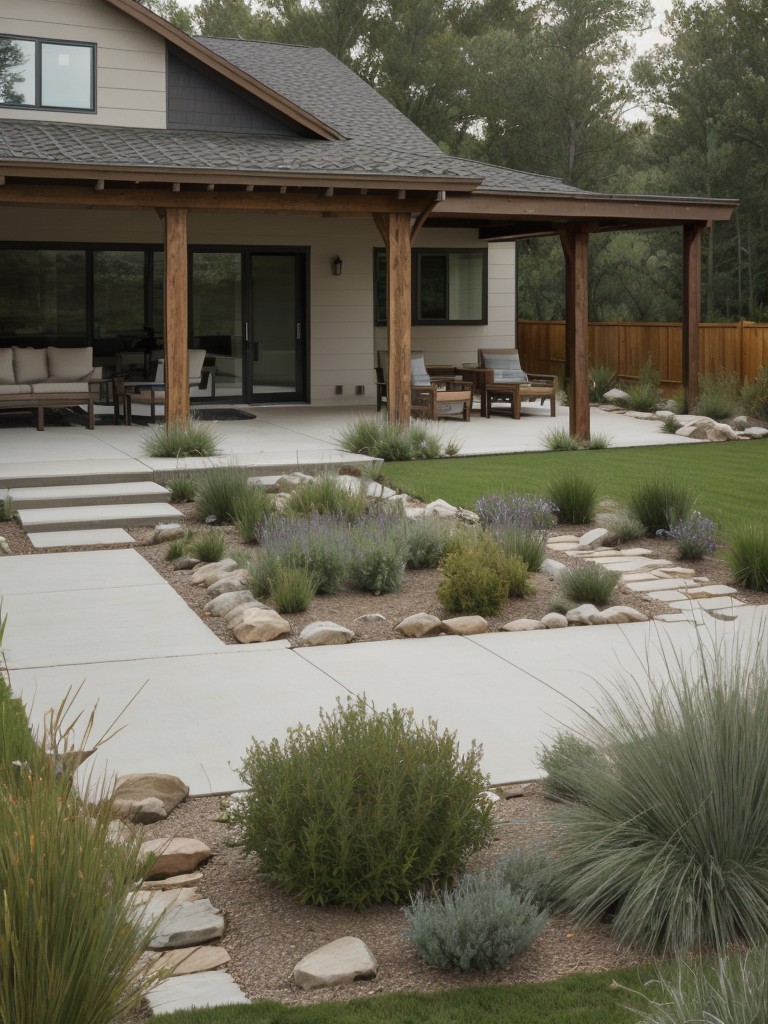
When creating a sustainable and environmentally-friendly landscape, it is crucial to incorporate native plants and grasses that are adapted to your particular region's climate. These locally indigenous species have evolved over time to thrive in their natural habitats, making them ideally suited for the conditions of your area.
By incorporating native plants and grasses, you not only create a beautiful and cohesive landscape but also reduce the need for excessive watering. These plants are generally more drought-resistant and require less water, ultimately conserving this valuable resource.
Additionally, native species contribute to the overall biodiversity of an ecosystem by providing habitat and food sources for local wildlife. Embracing the use of native plants and grasses is a strategic and sustainable approach to landscaping, ensuring a harmonious coexistence with the surrounding environment.
Maximize Plant Hydration with Drip Irrigation
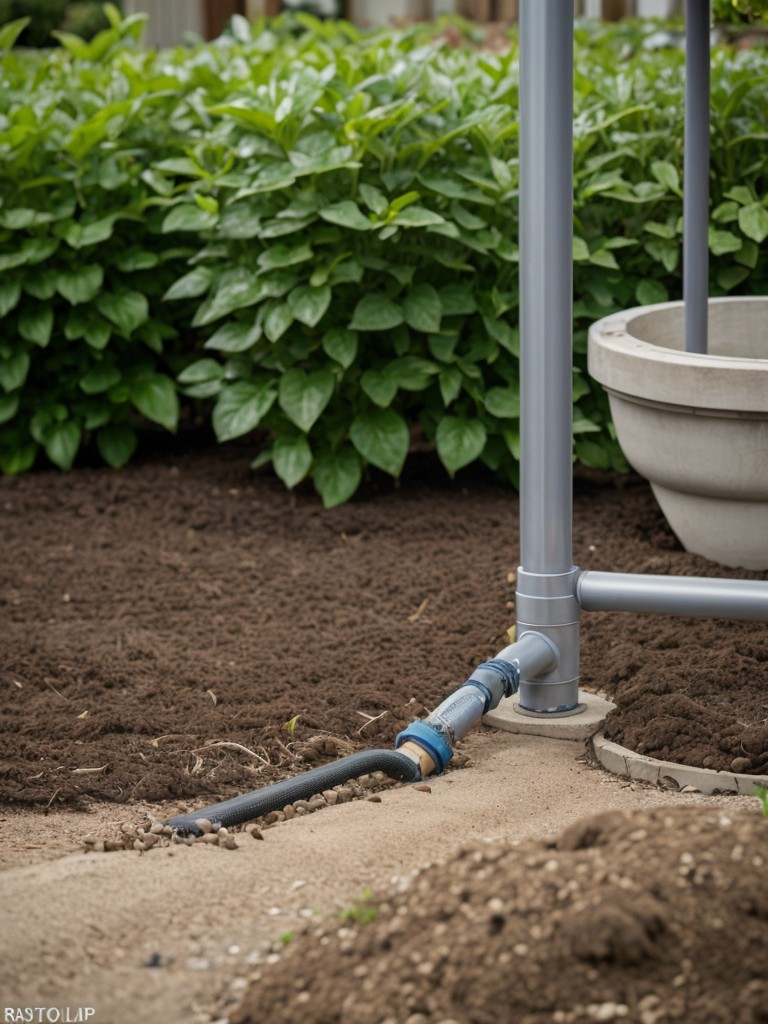
One practical solution for ensuring efficient watering and minimizing water waste is the installation of a drip irrigation system. This method enables water to be delivered directly to the roots of plants, effectively reducing evaporation and runoff.
Drip irrigation systems consist of a network of tubing, which is strategically placed near the base of plants, incorporating emitters that release small, controlled amounts of water. This allows for targeted, precise irrigation, ensuring that plants receive the necessary moisture directly where it is needed most.
By investing in a drip irrigation system, homeowners and gardeners can not only conserve water but also promote healthy plant growth and optimize resource utilization.
Sustainable Rain Solution: Build a Rain Garden!
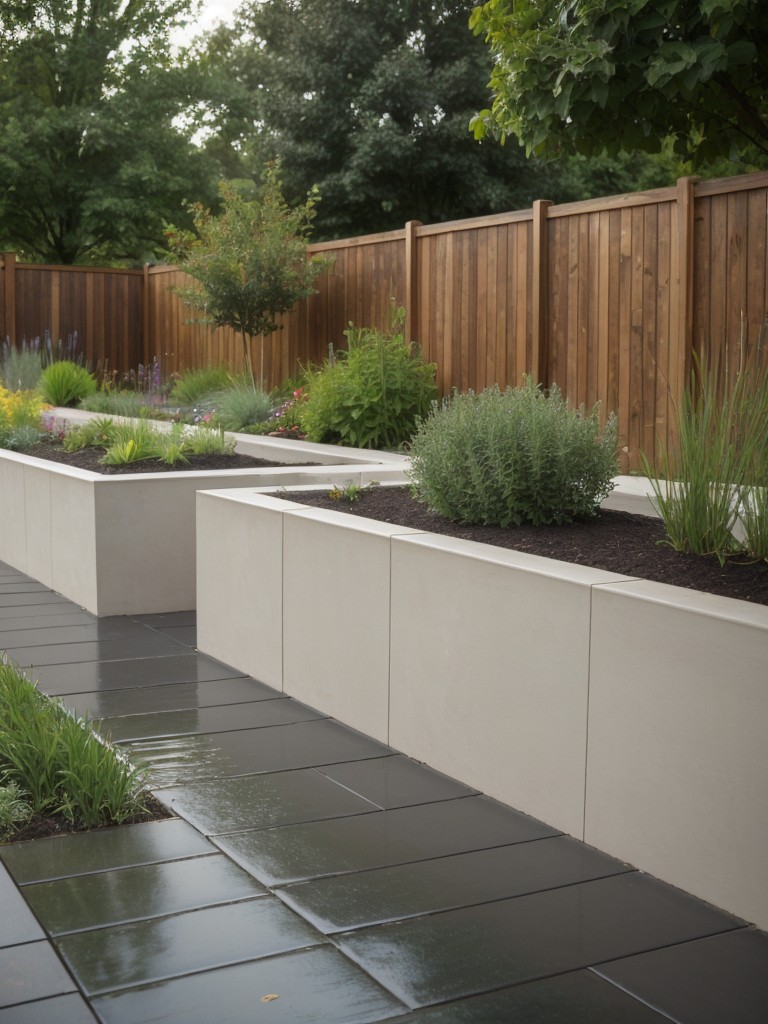
Rain gardens and bioswales are innovative and sustainable solutions for managing rainwater and reducing water waste. These eco-friendly features are designed to capture and absorb rainfall, preventing excess runoff and conserving water.
A rain garden is a shallow basin filled with native plants that have deep roots, allowing them to soak up rainwater and filter any pollutants. On the other hand, a bioswale is a channel or trough lined with vegetation that collects and filters runoff.
Both of these features effectively manage stormwater, improve water quality, and enhance the overall sustainability of a property. By implementing a rain garden or bioswale, individuals and communities can contribute to the preservation of water resources and create a greener and more environmentally conscious environment.
Save Water with Permeable Paving
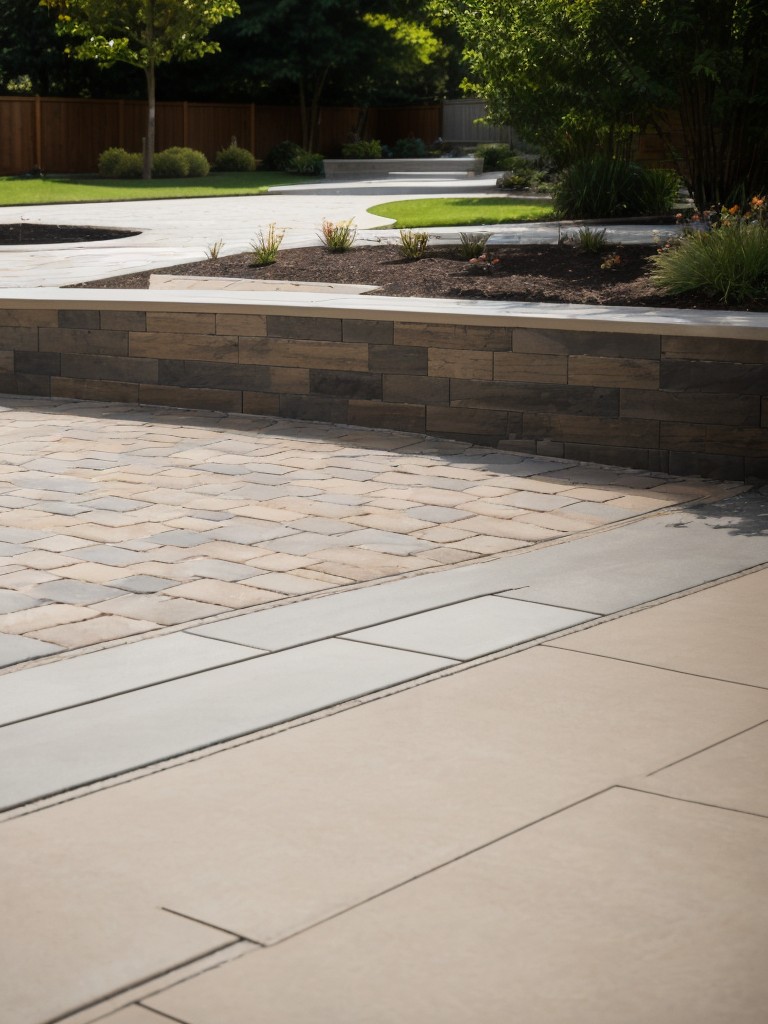
Permeable paving materials provide an innovative solution for homeowners looking to minimize water runoff and reduce their environmental impact. Unlike traditional pavement options, such as concrete or asphalt, permeable paving allows rainwater to seep through the surface, effectively replenishing the groundwater supply. By utilizing this eco-friendly alternative for driveways and walkways, homeowners can mitigate the risk of flooding, erosion, and water pollution while also making a conscious effort to conserve water resources.
Moreover, permeable paving materials come in a wide range of attractive designs and colors, ensuring that aesthetic value is not compromised. Upgrade your outdoor spaces with permeable pavement to embrace sustainability and foster a harmonious relationship with the natural environment.
Smart Irrigation: Save Water with Weather-based Watering

In today's environmentally-conscious world, implementing water-efficient practices in various aspects of our lives has become a key priority. One effective step towards achieving this goal is by incorporating a water-efficient irrigation controller into our watering systems.
This advanced technology is designed to automatically adjust watering schedules based on real-time weather conditions and soil moisture levels. By accurately assessing these variables, the irrigation controller ensures that the plants receive the optimal amount of water they need, while minimizing wastage and excess usage.
This not only promotes sustainability but also contributes to cost savings. With its reliable and precise functionality, a water-efficient irrigation controller is an invaluable tool in achieving a greener and more efficient approach to irrigation.
Ditch the Hose: Artificial Turf & Ground Covers for Water-Free Landscaping
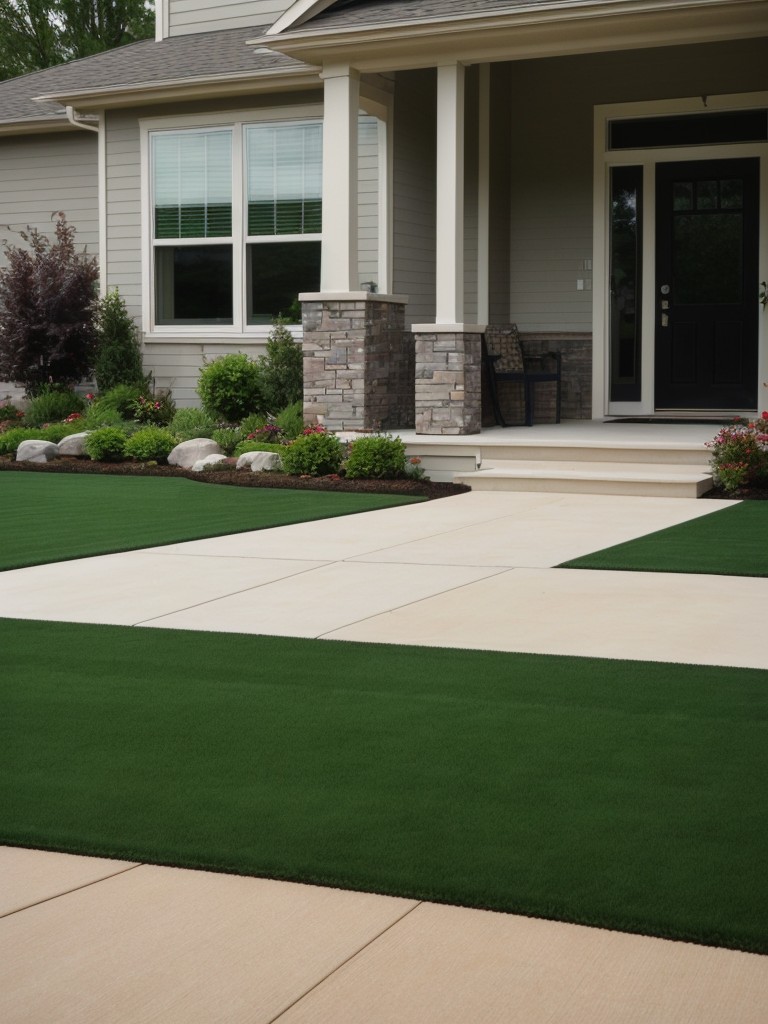
Artificial turf and low-maintenance ground covers are excellent alternatives for homeowners looking to conserve water and reduce lawn maintenance efforts. Artificial turf provides a realistic and lush green appearance without the need for regular watering, mowing, or fertilizing.
It is also durable and long-lasting, making it an ideal choice for high-traffic areas. On the other hand, low-maintenance ground covers, such as gravel, pebbles, or native plants, offer a visually appealing and eco-friendly landscaping solution.
These ground covers require minimal watering and can effectively prevent soil erosion while adding texture and depth to outdoor spaces. By opting for these water-saving options, homeowners can decrease their water usage, save time and resources, and create sustainable and beautiful landscapes.
Moisture-Saving Mulch: The Ultimate Plant Protector
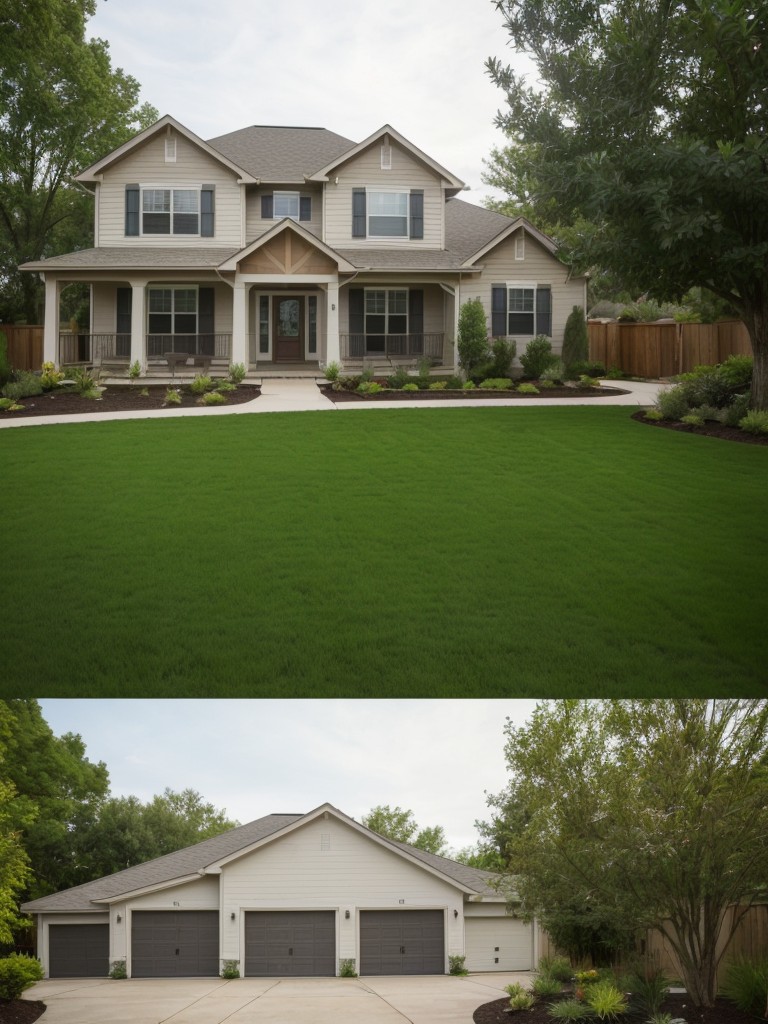
Mulching, an effective and widely used gardening technique, involves placing a layer of organic material around plants and trees to improve soil moisture retention and suppress weed growth. By creating a protective barrier, mulching helps to lock in moisture, reducing the frequency of watering needed, particularly during hot and dry periods.
Furthermore, mulch acts as an insulation layer, regulating soil temperature and providing a buffer against extreme weather conditions. Additionally, by obstructing sunlight from reaching the soil surface, mulching inhibits weed germination and growth, minimizing the need for manual weed removal or chemical herbicides.
To ensure optimal results, select the appropriate mulch material carefully, considering factors such as soil type, plant preferences, and aesthetic goals. Proper installation techniques, including maintaining an appropriate thickness and avoiding direct contact with plant stems, should also be followed to maximize the benefits of mulching.
Water-conscious? Get a rain barrel!
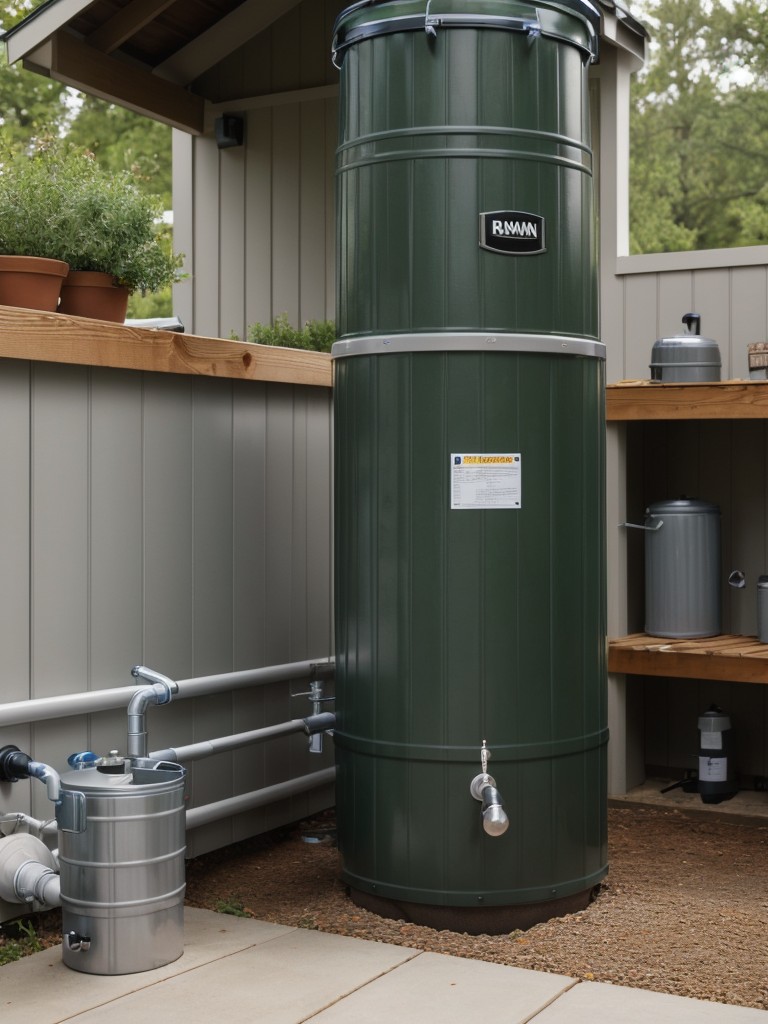
Installing a rain barrel is a practical and environmentally conscious solution for collecting and storing rainwater. This sustainable practice allows homeowners to harness the power of nature to meet their irrigation needs.
Rain barrels are typically placed beneath a downspout to capture rainwater as it runs off the roof. The collected water can then be used during dry spells to water gardens, lawns, and plants, reducing reliance on municipal water supplies and conserving resources.
By implementing this simple yet effective method, homeowners can actively contribute to water conservation efforts and minimize their ecological footprint.
Sustainable Water Decor: Recirculating Fountain Designs
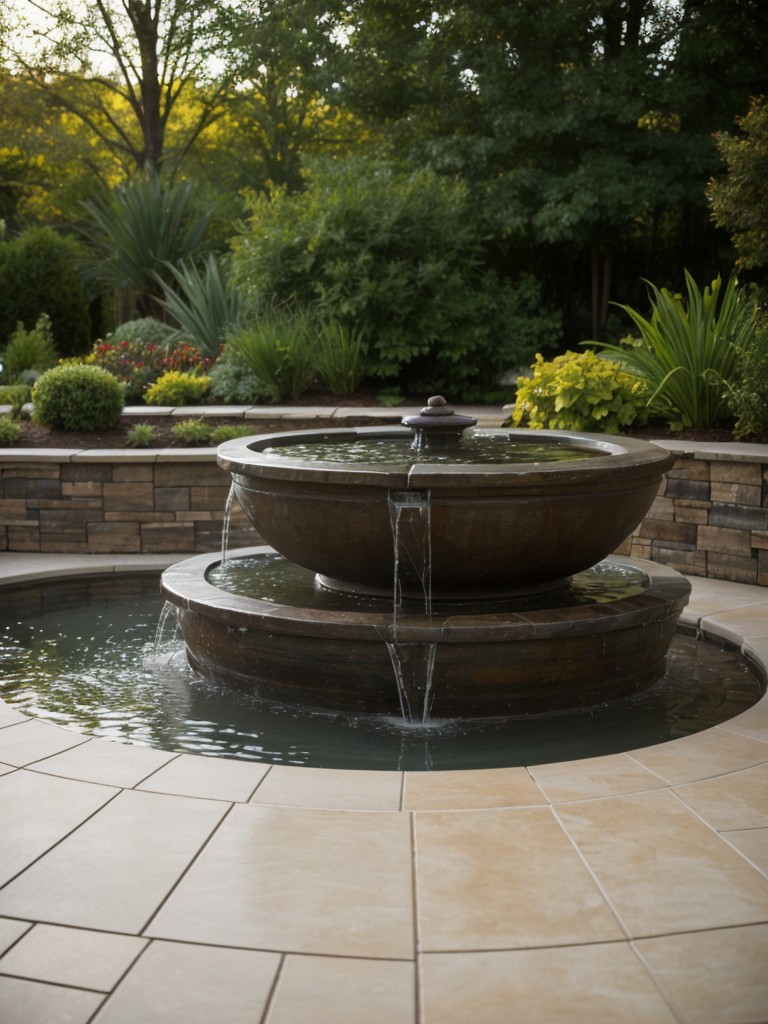
When integrating water features into your landscape design, it is essential to consider options that are not only visually appealing but also sustainable and environmentally friendly. One viable choice is to opt for decorative water features that recirculate water instead of constantly using fresh water.
These features work by capturing and reusing water, minimizing the need for constant water replenishment. By choosing such a system, you can significantly reduce water consumption, contribute to conservation efforts, and promote a more eco-conscious approach to landscaping.
Moreover, these recirculating water features offer versatility and aesthetic appeal, adding a touch of elegance and tranquility to any outdoor space.
Maximize Greenery with Minimal Space and Water: Vertical Gardens
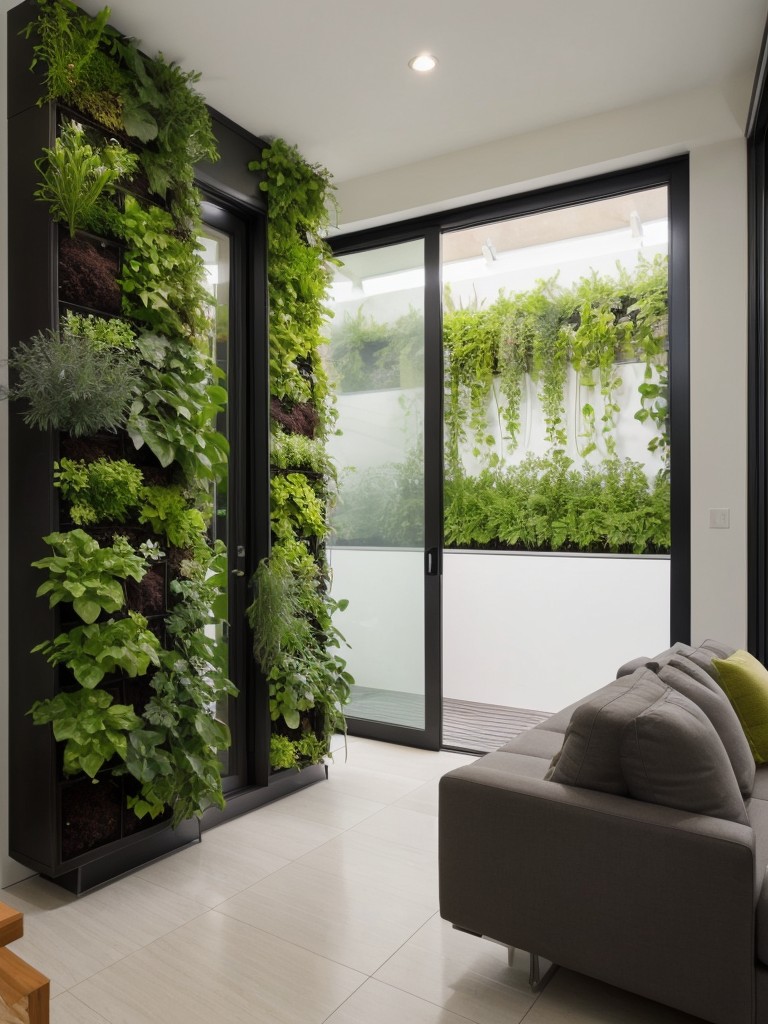
Vertical gardens, also known as living walls, offer an innovative solution for incorporating greenery into limited spaces. These unique structures not only add a touch of natural beauty but also provide numerous environmental benefits.
By utilizing vertical surfaces, such as walls or fences, a vertical garden maximizes the use of limited space, making it an ideal choice for urban environments or smaller areas. Additionally, they allow for a diversity of plant species to be grown, enriching the visual appeal of any space.
One of the remarkable advantages of vertical gardens is that they are designed with water efficiency in mind, utilizing modern irrigation systems that minimize water usage while keeping the plants thriving. Implementing a vertical garden is not only an aesthetically pleasing choice, but also an environmentally conscious one, making it an excellent option for those seeking to enhance their surroundings in a sustainable and efficient manner.