
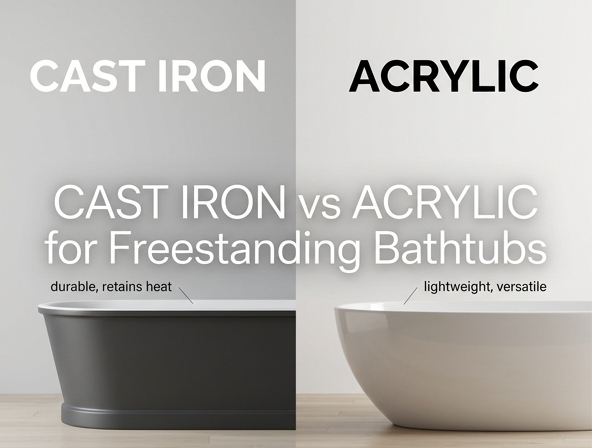
Designing a dream bathroom is an exciting venture, yet selecting the centerpiece-a freestanding bathtub-frequently leads to decision paralysis. Homeowners often struggle to balance aesthetic elegance with everyday practicality. Before finalizing your layout, it is crucial to consider how your choice of tub material anchors the entire renovation, both structurally and financially. Making the right selection grants you a lifetime of therapeutic relaxation and elevates your home's market value.
However, a successful installation stipulates that you understand the unique structural demands of each option; these are not simply plug-and-play fixtures. For example, while a heavy enameled cast iron tub offers unparalleled heat retention and heirloom-quality durability, a lightweight acrylic model provides modern design versatility and simpler installation without floor reinforcement. Below, we break down the critical differences in cost, weight, maintenance, and longevity to help you select the ideal centerpiece for your sanctuary.
Introduction: The Ultimate Tub Showdown
Embarking on a bathroom renovation is an exciting journey, and choosing the perfect centerpiece is one of the most significant decisions you will make. The debate often centers on two heavyweights of the bathing world: the classic, heavy-duty cast iron freestanding tub and the sleek, versatile acrylic freestanding tub. While one represents timeless heritage and unmatched solidity, the other offers cutting-edge design flexibility and modern convenience.
Finding the right fit for your home requires balancing aesthetic desires with practical considerations like weight, cost, and maintenance. Whether you dream of a vintage sanctuary or a minimalist retreat, understanding the core differences between these two materials will help you create a beautiful, functional space that lasts for years to come.
Understanding Cast Iron Tubs: Strength and Tradition
Cast iron tubs are the epitome of vintage luxury. These fixtures are crafted by pouring liquid, molten iron into a mold to create the solid core of the tub. Once the iron cools and solidifies, artisans fuse a thick layer of porcelain enamel to the interior surface at extremely high temperatures. This intense manufacturing process results in an incredibly durable, glass-like finish that is both beautiful and exceptionally tough.
These tubs are celebrated for their substantial feel and historic charm, bringing an immediate sense of permanence and high-end elegance to any master bathroom. Here are the key characteristics of cast iron construction:
- Exceptional Rigidity: Will not flex, bend, or bow under pressure or water weight.
- Porcelain Enamel Coating: Provides a deep, glossy luster that resists scratching and discoloration.
- Historic Provenance: Often features classic clawfoot designs or heavy pedestal bases that reference traditional architecture.
Exploring Acrylic Tubs: Modern Flexibility and Variety
On the modern side of the spectrum, acrylic freestanding tubs represent a brilliant combination of advanced material engineering and accessible luxury. These tubs are manufactured by heating sheets of colored acrylic and vacuum-forming them over a mold. To ensure structural integrity, the underside of the vacuum-formed shell is heavily reinforced with a mixture of fiberglass and resin, creating a durable yet lightweight bath vessel.
This manufacturing method unlocks a world of design possibilities. Because acrylic is highly malleable when heated, manufacturers can easily produce intricate contours, ergonomic sloped backs, and dramatic geometric shapes that would be impossible or cost-prohibitive to cast in metal. This makes acrylic the go-to choice for homeowners seeking a bespoke, contemporary aesthetic without a premium price tag.
Durability and Lifespan: Built to Last vs. Easy to Repair
Cast Iron: Built for Generations
When it comes to pure longevity, cast iron is practically unmatched. The thick porcelain surface is incredibly hard, making it highly resistant to scratching, chipping, denting, and staining. A well-maintained cast iron tub can easily last for fifty years or more, often outliving the very home it is installed in. The material is impervious to physical impact from dropped shampoo bottles or toys, ensuring a smooth, glassy finish that stands the test of time.
Acrylic: Forgiving and Easily Restored
While acrylic is a highly durable polymer, it is softer than glass-fused porcelain. It can scratch if subjected to abrasive cleaning tools, pet claws, or sharp objects. However, acrylic possesses a distinct advantage in terms of maintenance: it is incredibly easy to repair. Minor surface scratches can be buffed out with a simple polishing compound, and even deeper gouges can be filled with inexpensive DIY acrylic repair kits, restoring the tub to its original state with minimal effort.
Heat Retention: Who Keeps the Bath Water Warmer?
The science of heat transfer plays a major role in your bathing comfort. Cast iron acts as a thermal mass, or a heat sink. When you first run hot water, the heavy iron absorbs the heat. While this means the water might cool down slightly during the initial minutes of filling, the thick metal holds onto that thermal energy once warmed, radiating heat back into the bathwater to keep it warm for long, luxurious soaking sessions.
In contrast, acrylic is a natural insulator that is warm to the touch even before the water is turned on. It does not draw heat away from the water initially, which makes it perfect for quick, warm baths. However, because it lacks the heavy mass of iron, it cannot store heat over extended periods in the same way, though double-walled acrylic designs go a long way in trapping warm air between the layers to provide excellent insulation.
For long-duration bathers who enjoy soaking for 45 minutes or more, cast iron remains the champion of consistent water warmth, while acrylic offers immediate, cozy comfort for shorter soaks.
Weight and Installation: Structural Support Requirements
One of the most critical logistical considerations in a bathroom remodel is the sheer weight of the fixture. Cast iron tubs are extraordinarily heavy, often weighing between 300 to 500 pounds empty. Once you add hundreds of pounds of water and the weight of a bather, the load on your subfloor can exceed 1,000 pounds. This often necessitates hiring professional movers and structurally reinforcing your floor joists, especially on second-story installations.
Acrylic tubs present a much lighter alternative, typically weighing between 75 and 150 pounds when empty. This lightweight nature makes transport up stairs and through tight hallways manageable for two people, simplifying the installation process. It also completely eliminates the need for expensive structural engineering assessments or floor reinforcement, making it a favorite for DIY renovators.
Maintenance and Cleaning: Keeping Your Tub Sparkling
Keeping your freestanding tub looking pristine requires different cleaning regimens depending on the material you choose. Cast iron's glass-hard porcelain surface is highly resistant to chemical cleaners and acidic bath products, making it incredibly easy to sanitize. However, heavy iron or metal tools can chip the enamel if dropped, exposing the raw iron underneath to potential rust. Acrylic, being a gentler polymer, requires a non-abrasive approach to maintain its high gloss and avoid dulling the finish.
To ensure your chosen tub retains its showroom shine, follow these targeted cleaning guidelines:
- For cast iron, use mild dish soap or gentle cream cleaners, and avoid dropping heavy metal objects that could impact and chip the enamel.
- For acrylic, strictly use soft microfibers or sponges paired with non-abrasive, liquid-based cleaners to avoid micro-scratches.
- Rinse the tub thoroughly with warm water after every use to prevent soap scum and mineral deposits from building up on either surface.
- Never use harsh steel wool, stiff scrub brushes, or abrasive scouring powders on an acrylic tub, as these will permanently dull the surface luster.
Cost and Budget: Initial Price vs. Long-Term Value
Budgeting for a new tub involves looking beyond the sticker price. Cast iron tubs command a premium initial price due to the materials used and the energy-intensive manufacturing process. Additionally, the labor costs associated with transporting and installing a heavy iron tub can add significantly to the overall budget. However, because cast iron lasts for generations, it is a one-time investment that can boost your home's resale value and appeal to luxury home buyers.
Acrylic tubs are highly budget-friendly, making them accessible to a wider range of remodeling projects. They require less labor-intensive installation and are inexpensive to ship. While they may need to be replaced sooner than cast iron, they offer an incredible balance of modern aesthetics and immediate cost savings. Here is a breakdown of how the two materials compare financially:
| Factor | Cast Iron Tub | Acrylic Tub |
|---|---|---|
| Initial Purchase Price | High ($1,200 - $5,000+) | Moderate ($500 - $2,000) |
| Installation Cost | High (Requires extra labor & support) | Low to Moderate (DIY-friendly) |
| Lifespan & Durability | 50+ Years (Extreme durability) | 15 - 25 Years (Subject to wear) |
| Long-Term Resale Value | Excellent (Adds premium value) | Moderate (Standard modern appeal) |
Aesthetic Appeal and Design Options
The Vintage Charm of Cast Iron
Cast iron is the undisputed king of vintage and traditional bathroom designs. The weight of the material translates into solid, thick walls and bold rims. Classic configurations like clawfoot tubs, roll-top designs, and double slipper profiles feel historically authentic and incredibly elegant. When you run your hand along a cast iron tub, there is a tangible sense of substance and classic luxury that immediately grounds the space.
The Sleek Minimalism of Acrylic
If your design goal is a clean, contemporary oasis, acrylic is highly suitable. Because the material can be molded into almost any shape, manufacturers can create incredibly thin rims, organic egg-shaped vessels, and crisp, geometric rectangles. Acrylic also allows for integrated features like molded armrests, lumbar supports, and built-in grab bars, offering a highly personalized, ergonomic design tailored to modern luxury.
Making Your Decision: Which Tub is Right for You?
Choosing between these two remarkable materials requires a clear assessment of your home's structural capacity, your renovation budget, and your personal bathing routine. Both options can elevate your bathroom into a spa-like retreat, but they serve different priorities. Use this quick checklist to determine which material aligns with your vision:
- Choose Cast Iron if: You want a permanent fixture to last a lifetime, prefer a heavy-duty feel, desire exceptional heat retention for long baths, and have a solid floor that can support the immense weight.
- Choose Acrylic if: You are seeking a lightweight option that is easy to install, prefer sleek, modern geometric shapes, want a warm-to-the-touch surface, and need to stay within a moderate budget.
Leave a comment