
Homeowners striving for sustainability often struggle to reduce their environmental footprint while managing escalating utility bills and local drought restrictions. Before investing in any eco-friendly upgrade, it is crucial to understand how modern residential infrastructure interacts with regional climates.
Implementing the right decentralized water setup grants homeowners true resource resilience and slashes municipal water reliance by up to 50%. However, we must stipulate that these technologies are not one-size-fits-all; local plumbing codes and seasonal rainfall patterns heavily dictate their viability. For instance, redirecting washing machine drain lines through a gravity-fed laundry-to-landscape greywater system requires vastly different infrastructure than routing gutter runoff into a 1,000-gallon rainwater harvesting cistern.
To help you navigate these choices, this article will compare both systems across installation costs, maintenance demands, and legal hurdles, ensuring you select the ideal water-saving solution for your property.
The Home Water Crisis and Sustainable Solutions
Modern households are facing a quiet but growing challenge: the rising cost of utility bills coupled with severe environmental concerns like droughts and depleting aquifers. As clean, treated municipal water becomes both scarcer and more expensive, homeowners are looking for ways to reduce their environmental footprint and secure their resource independence. Embracing household water conservation is no longer just an eco-conscious choice; it is a financial necessity.
To combat this crisis, two primary eco-friendly solutions have emerged as game-changers for residential water management: greywater systems and rainwater harvesting. By capturing and reusing water that would otherwise literally go down the drain or wash away into storm sewers, these systems allow homeowners to maximize every drop and build a more resilient household.
Understanding Greywater Systems: Recycling Within the Home
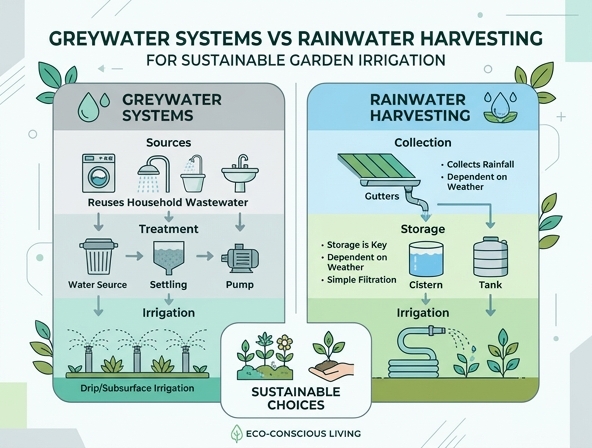
Greywater refers to the gently used wastewater generated from everyday household chores and personal hygiene activities. Unlike blackwater-which comes from toilets and kitchen bidets and contains high levels of pathogens and organic matter-greywater is relatively clean and can be safely repurposed before it ever leaves your property. Common sources of greywater include:
- Bathroom sinks and basins
- Showers and bathtubs
- Washing machines (using laundry-safe detergents)
A basic greywater diversion system works by intercepting this wastewater at the drain pipes before it enters the main sewer line. The diverted water passes through a coarse filtration system to remove lint, hair, and large particles. Once filtered, the water is pumped or gravity-fed directly to outdoor irrigation systems, where it immediately waters lawns, ornamental trees, and flower beds, preventing the need to use pristine drinking water for landscape maintenance.
Harnessing the Skies: The Basics of Rainwater Harvesting
Rainwater harvesting is the ancient practice of collecting, channeling, and storing precipitation for active use. Instead of allowing rain to run off your property and carry pollutants into local waterways, this method captures nature's purest water supply directly from the atmosphere. This collected resource acts as a highly sustainable, decentralized water source right on your property.
The typical setup for rainwater harvesting involves several key components working together:
- The roof of the home, which acts as the primary collection catchment area.
- Gutters and downspouts that route the rainwater toward storage.
- A first-flush diverter and leaf screens to remove leaves, debris, and roof residues.
- Rain barrels or larger underground cisterns to store the water away from sunlight.
Once stored, this natural water supply can be used for outdoor irrigation, washing vehicles, or, with proper filtration and plumbing, indoor non-potable uses like flushing toilets and running washing machines.
The Pros and Cons of Implementing Greywater Systems
Evaluating a greywater system involves weighing its steady availability against the operational responsibilities it requires from a homeowner.
The Advantages of Greywater Recycling
- Consistent Daily Supply: Because we shower and wash clothes regularly, greywater provides a highly predictable daily supply of water regardless of weather conditions.
- Reduced Freshwater Demand: Reusing indoor water for outdoor irrigation can cut a household's municipal water usage by up to 40 percent.
The Challenges of Greywater Recycling
- Immediate Use Requirements: Greywater cannot be stored for more than 24 hours without treatment, as bacteria will rapidly multiply in stagnant, nutrient-rich water.
- Chemical Limitations: Homeowners must switch to biocompatible, boron-free, and sodium-free soaps and detergents to avoid harming soil health and plants.
- System Maintenance: Filters must be cleaned regularly to prevent clogs and ensure the diversion system works smoothly.
The Pros and Cons of Rainwater Harvesting
While catching rainwater is a time-tested approach to conservation, it presents its own distinct set of benefits and limitations that vary by location.
The Advantages of Rainwater Harvesting
- Natural and Soft Water: Rainwater is naturally soft, free of chlorine, fluoride, and other municipal chemicals, making it exceptionally beneficial for plant health.
- Low System Maintenance: Simple rain barrel systems require very little hands-on maintenance aside from clearing gutters and seasonal draining.
- Reduced Stormwater Runoff: Collecting rain helps prevent localized soil erosion and reduces the burden on local municipal storm drains.
The Limitations of Rainwater Harvesting
- Weather Dependency: The viability of the system depends entirely on rainfall patterns, meaning supply may dry up during prolonged dry seasons.
- High Initial Capital: Large-scale systems with massive cisterns, pumps, and backflow preventers can carry significant upfront costs.
- Debris and Treatment Needs: If rainwater is intended for indoor non-potable uses, it requires multi-stage filtration to filter out roof contaminants.
Cost and Installation: Which System is More Budget-Friendly?
When deciding between greywater and rainwater harvesting, installation complexity and upfront budgets are crucial factors. Simple rain barrels represent the most affordable entry point for homeowners, while complex greywater diversion plumbing often requires professional trade work.
| System Feature | Greywater Diversion Systems | Rainwater Harvesting Systems |
|---|---|---|
| Average Setup Cost | $1,000 to $4,000 (for pumped or filtered irrigation) | $150 (basic barrel) to $5,000+ (large cistern with pump) |
| DIY Feasibility | Moderate to Difficult (requires plumbing modifications) | High (gutter diversion to rain barrel is very simple) |
| Professional Installation | Highly recommended to comply with plumbing codes | Only required for large, pressurized underground systems |
Water Quality and Best Uses: Sinks vs. Showers vs. Gardens
Understanding the chemical composition of your harvested water ensures safety and efficiency. Rainwater starts as pure atmospheric moisture but can collect bird droppings and roof debris, whereas greywater is pre-loaded with household soaps, skin cells, and hair. Because of these differences, their optimal applications in and around the home vary significantly.
Best Uses for Collected Rainwater
Because rainwater is clean and free of greywater's soap residues, it is highly suited for vegetable gardens, where you want to avoid introducing household pathogens to food crops. It is also ideal for laundry, as soft rainwater lacks the mineral buildup of tap water, making soaps lather better and protecting clothes. Additionally, rainwater can easily be plumbed for toilet flushing with minimal filtration.
Best Uses for Diverted Greywater
Greywater contains trace organic nutrients that acts as a natural fertilizer. Therefore, its absolute best application is for subsurface lawn irrigation, watering ornamental shrubs, and nurturing fruit trees. However, untreated greywater should never be used for sprinkler systems to prevent aerosolizing bacteria, nor should it be used to water leafy root vegetables. It is also unsuitable for toilet flushing unless it undergoes a continuous, expensive biological treatment process.
Legal and Regulatory Considerations for Water Recycling
Before purchasing storage tanks or modifying your home drainage, you must understand the regulatory landscape in your region. Water recycling systems are heavily governed by local municipal rules, state building codes, and even historical water rights laws that dictate who owns the rain falling on your property.
Building codes frequently dictate how greywater can be distributed, often requiring subsurface discharge rather than surface spraying. Always secure the necessary plumbing and environmental permits to ensure your system is fully compliant, safe, and avoids costly municipal fines.
The Ultimate Green Home: Combining Greywater and Rainwater
To achieve the highest tier of residential sustainability, forward-thinking homeowners do not choose between these systems-they combine them. An integrated hybrid setup leverages the strengths of both methods, using greywater for a reliable, day-to-day summer landscape irrigation supply, while reserving stored rainwater for seasonal demands, vegetable gardening, and indoor non-potable appliances.
"A combined water conservation strategy minimizes household reliance on municipal infrastructure. By cycling greywater through sub-surface landscaping and storing winter rainwater for dry summer months, a home can achieve near-total water self-sufficiency for its outdoor and utility needs."
By installing both systems, you build a smart, resilient loop that offsets the disadvantages of each. When seasonal droughts dry up your rainwater cisterns, your daily showers and laundry continue to feed the greywater line, ensuring your landscape survives the dry season without touching the domestic drinking water supply.
Making Your Decision: Which Water-Saving System Wins?
Choosing the right path to conservation depends on your specific property, geographical region, and target goals. Use this practical decision checklist to find the ideal match for your home:
- Choose Rainwater Harvesting if: You live in an area with predictable rainfall, want a low-cost DIY project using simple rain barrels, prefer watering edible vegetable gardens, and have minimal plumbing experience.
- Choose Greywater Systems if: You live in an arid region with long dry spells, produce a consistent volume of laundry and shower wastewater, want to keep ornamental landscaping alive year-round, and are prepared for regular filter maintenance.
- Choose a Hybrid System if: You have the budget to support both systems, live under supportive local environmental regulations, and want to maximize your home's long-term sustainability and resale value.
Evaluating your household's daily habits, local precipitation charts, and municipal guidelines is the first step toward true resource resilience. Choosing either system-or a thoughtful combination of both-will dramatically reduce your utility bills while safeguarding our planet's most precious natural asset.
Leave a comment