
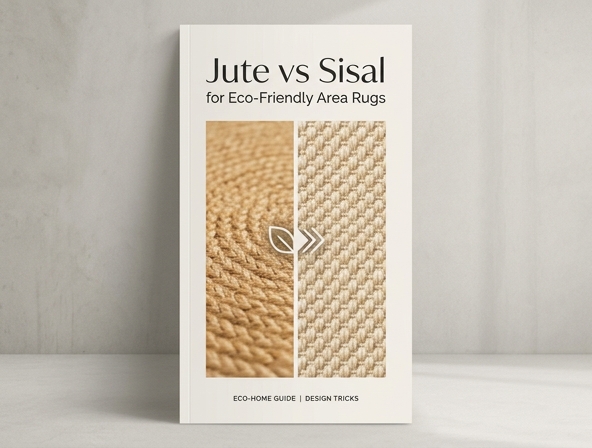
Finding the perfect rug that aligns with an eco-conscious lifestyle while standing up to daily wear can feel like an exercise in compromise. Homeowners often struggle to balance the desire for sustainability with the practical need for durability and underfoot comfort. In the broader movement toward sustainable home design, natural fiber flooring has emerged as a premier choice, yet navigating the distinct properties of different plant-derived materials requires careful consideration.
Selecting the right fiber grants your home an organic, timeless aesthetic while significantly reducing your environmental footprint. However, it is essential to understand that natural fibers are not one-size-fits-all; their performance depends heavily on weave, texture, and room placement. For instance, soft, chunky jute excels in low-traffic spaces like cozy bedrooms, whereas ultra-durable, coarse sisal is ideal for busy entryways and hallways.
To help you make the right investment, this guide will compare jute and sisal across key categories, including durability, texture, and maintenance, ensuring you select the ideal sustainable foundation for your space.
Section 1: Introduction to Natural Fiber Rugs
As we become more conscious of our environmental footprint, the rise of eco-friendly home decor has transformed how we design our living spaces. Homeowners are actively seeking interior elements that combine natural elegance with environmental responsibility. When it comes to flooring, natural fiber rugs have emerged as the premier choice for sustainable style. Among the various organic materials available, Jute and Sisal stand out as the top sustainable choices, offering distinct advantages for different areas of your home.
Section 2: What is Jute? The Soft and Cozy Fiber
Jute is a natural vegetable fiber extracted from the bark of the white jute plant (Corchorus capsularis), which thrives primarily in the warm, wet climates of India and Bangladesh. Known as the "golden fiber" due to its shimmering natural color and high agricultural value, Jute is celebrated for its incredibly soft texture. Because Jute fibers are finer and more pliable than other plant-based materials, they create a plush, comfortable weave.
This gentle profile makes Jute rugs ideal for low-traffic, cozy spaces where comfort is a priority. Here are some key characteristics of Jute:
- Pliable fibers: Jute is easy to spin into thick, soft yarns that feel gentle on bare feet.
- Warm tones: It naturally displays a range of soft beige, tan, and golden hues.
- Low-stress environments: Jute is best suited for rooms where it will not face harsh, everyday wear.
Section 3: What is Sisal? The Tough and Resilient Choice
Sisal is an exceptionally strong fiber harvested from the leaves of the Agave sisalana plant, which is native to southern Mexico but widely cultivated in tropical regions across Africa and South America. These fibers are stripped from the sword-shaped leaves of the plant, resulting in stiff, long, and highly resilient strands. The inherent strength of the Agave plant translates directly into the woven rug, making Sisal the gold standard for high-traffic durability.
- Superior tensile strength: Sisal fibers are highly resistant to wear, stretching, and crushing.
- Coarse texture: The rugged nature of the fiber provides a firm, textured surface underfoot.
- High-traffic compatibility: Sisal is built to withstand heavy daily use without showing signs of premature wear.
Section 4: Texture and Comfort Underfoot
When choosing between Jute and Sisal, the physical sensation underfoot is one of the most significant points of comparison. Jute offers a remarkably soft, almost wool-like feel that is welcoming to bare feet and safe for crawling infants. In contrast, Sisal provides a firm, coarse, and distinctly textured surface. Walking on a Sisal rug offers an invigorating, exfoliating feel that some find therapeutic, though it may feel too rough for sensitive feet.
Section 5: Durability and Room Placement
Selecting the right rug requires matching the natural resilience of the fiber to the activity levels of specific rooms. Placing Jute in high-traffic hallways will lead to premature fraying, while putting Sisal in a cozy bedroom might compromise underfoot comfort. The table below outlines the recommended placement for each material based on their unique durability profiles.
| Fiber Type | Ideal Rooms | Avoid Placing In | Durability Level |
|---|---|---|---|
| Jute | Bedrooms, nurseries, low-traffic home offices, cozy dens | Entryways, muddy hallways, high-moisture bathrooms | Moderate |
| Sisal | Entryways, busy hallways, dining rooms, stair runners | Nurseries, areas where pets scratch, damp basements | High to Extreme |
Section 6: Aesthetic Appeal and Design Styles
From a design perspective, both materials offer a stunning earthy aesthetic, yet they speak to different interior sensibilities. Jute rugs typically feature chunkier, thicker weaves such as braids and loops, showcasing natural color variations of deep tan, grey, and soft cream. This thick and organic texture makes Jute a perfect match for Boho, Coastal, and relaxed Rustic spaces where a laid-back, cozy vibe is desired.
Sisal, on the other hand, is woven into tighter, flatter patterns like bouclé, herringbone, and basketweaves. Its naturally uniform, pale creamy-beige color provides a clean, tailored foundation. This structural precision allows Sisal to fit beautifully into Modern Minimalist, Traditional, and upscale Contemporary interiors, offering a crisp look that grounds more formal rooms.
Section 7: Maintenance, Cleaning, and Spill Resistance
Proper maintenance is essential to preserving the life of natural fiber rugs, as both Jute and Sisal are highly absorbent plant materials. Because liquid can easily stain or warp these natural fibers, understanding how to clean them is critical. Routine care ensures their structural integrity and keeps them looking fresh for years.
- Regular Vacuuming: Vacuum both rugs frequently without a beater bar to remove loose dirt and dust trapped between the woven fibers.
- Spill Management: Blot spills instantly with a clean, dry white cloth. Never rub the spill, as this pushes moisture deeper into the fibers.
- Avoid Wet Cleaning: Do not steam clean or saturate Jute or Sisal. Water can cause watermarks, shrinkage, and fiber rot.
- Dry Cleaning Powder: Use specialized natural fiber dry-cleaning powders to lift stains without introducing liquid moisture.
Section 8: Environmental Impact and Sustainability
Both Jute and Sisal are spectacular examples of sustainable agriculture. Unlike synthetic rugs made from petroleum-based plastics, these natural plant fibers are fully biodegradable and compostable at the end of their lifecycle. They play a vital role in reducing carbon footprints and shifting home decor toward a circular economy.
The cultivation of these crops requires minimal chemical intervention. Jute matures rapidly within four to five months and relies almost entirely on natural rainfall, while Sisal is a drought-resistant succulent that prevents soil erosion and requires virtually no pesticides to thrive. - Sustainable Materials Assessment Group
Section 9: Cost and Budget Friendliness
When planning your budget, understanding the financial differences between these two options is vital. Jute rugs are generally much cheaper upfront. Because the Jute plant grows rapidly and is harvested in massive quantities, production costs remain low, making Jute the superior choice for immediate, short-term affordability. It is an excellent option for renters or those who like to update their decor style every few years.
Sisal rugs command a higher initial price point due to the labor-intensive harvesting of tough Agave leaves and the complex weaving processes required for tight patterns. However, Sisal offers incredible long-term value. Its extreme durability ensures it will outlast Jute by several years in high-traffic zones, meaning you won't need to replace it as frequently, making your investment highly cost-effective over time.
Section 10: The Ultimate Verdict: Jute vs. Sisal
Choosing between these two incredible natural fiber rugs comes down to evaluating your specific household needs. If your goal is to find a soft, budget-friendly rug that brings warmth and a relaxed, cozy aesthetic to your bedroom or nursery, Jute is the ideal option for your space. Its gentle fibers provide the comfortable texture you need for relaxation.
If you require a rug that can handle heavy foot traffic, muddy boots, and active family life in high-use areas like hallways, entryways, or dining rooms, Sisal is the clear winner. Its resilient structure guarantees lasting durability and a refined, tailored appearance. Assessing your lifestyle, room traffic, and comfort preferences will guide you to the perfect eco-friendly rug for your home.
Leave a comment