
Finding the perfect aromatherapy setup often feels like an exercise in frustration, leaving wellness enthusiasts overwhelmed by weak scent throws or high oil consumption. Before investing in a device, it is important to recognize how modern home scenting has evolved into a vital pillar of daily self-care.
Selecting the right technology grants you complete control over your indoor air quality, maximizing the therapeutic benefits of your botanical blends. However, achieving this wellness standard requires one key stipulation: nebulizers and ultrasonic models disperse oils through entirely different physical mechanisms.
For instance, while an ultrasonic diffuser utilizes water to gently mist lavender for bedtime relaxation, a waterless nebulizer delivers pure, undiluted bursts of citrus to rapidly energize a room. To help you navigate these differences, this guide compares both systems across oil purity, room coverage, and maintenance, ensuring you choose the ideal fit for your lifestyle.
Introduction: Elevating Your Home Wellness with Aromatherapy
In our fast-paced world, creating a sanctuary of peace at home has never been more vital. Aromatherapy offers a powerful, natural way to influence our mood, reduce stress, and enhance physical well-being. By dispersing the therapeutic properties of plant extracts into the air, we can transform our living environments into spaces of deep healing. However, the benefits you experience depend heavily on the vehicle you choose to deliver these botanical compounds.
Two leading technologies dominate the modern wellness market: nebulizing diffusers and ultrasonic diffusers. While both aim to fill your home with pleasant scents, they operate on completely different principles and offer vastly different therapeutic outcomes. Selecting the right device is not just a matter of aesthetics; it directly impacts how effectively the essential oils interact with your body and mind, shaping the overall success of your wellness journey.
Understanding Nebulizing Diffusers: Pure and Potent
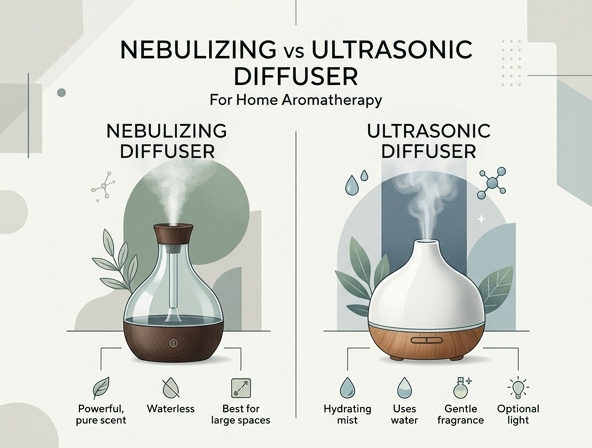
Nebulizing diffusers are often regarded as the gold standard for therapeutic aromatherapy. Unlike other devices, they do not rely on water or heat to function. Instead, they use a high-velocity air stream to break down pure essential oils into a microscopic vapor. Because the oil is not diluted by water or altered by heat, the resulting mist contains the complete, unadulterated chemical profile of the plant, delivering maximum therapeutic strength directly to your respiratory system.
By bypassing heat and water, a nebulizing diffuser ensures that you inhale the oils exactly as nature intended. This yields a highly potent and concentrated therapeutic experience, making it the preferred choice for clinical aromatherapists and individuals seeking rapid, targeted relief from respiratory or emotional symptoms.
The Pros and Cons of Nebulizing Technology
Before investing in a nebulizing diffuser, it is important to weigh its exceptional performance against its practical everyday demands.
Pros of Nebulizing Diffusers
These advanced devices are celebrated for their unparalleled efficiency in delivering pure botanical compounds into your living space.
- No dilution: You breathe in pure essential oils without any added water.
- Maximum therapeutic potency: Preserves the complete molecular integrity of the botanical extracts.
- No added humidity: Perfect for damp climates or rooms where excess moisture is undesirable.
- Rapid action: Scent fills large rooms almost instantly.
Cons of Nebulizing Diffusers
While powerful, nebulizing technology comes with distinct operational considerations that might not suit every household.
- High oil consumption: Because they disperse undiluted oil, they consume bottles much faster than other devices.
- Noticeable noise levels: The built-in air pump produces a soft, audible hum during operation.
- Higher initial cost: The hand-blown glass and specialized pump mechanisms make these units more expensive upfront.
Understanding Ultrasonic Diffusers: Mist and Moisture
Ultrasonic diffusers are the most common devices found in households today, serving as both a fragrance dispenser and a light humidifier. These devices require a mixture of water and a few drops of essential oil to function. Inside the water tank is a small, flexible ceramic disk that vibrates at an incredibly high electronic frequency. This rapid motion creates ultrasonic waves that break the water and oil mixture down into microscopic droplets.
As the mixture is pulverized, it transforms into a cool, gentle mist. A small, built-in fan then blows this humidified mist out into the room. Because no heat is used, the basic chemical structures of the essential oils remain intact, though they are suspended within water vapor rather than being dispersed in their pure, concentrated state.
The Pros and Cons of Ultrasonic Technology
Ultrasonic diffusers are highly popular for good reason, but they also have drawbacks depending on your therapeutic goals.
Pros of Ultrasonic Diffusers
These versatile appliances excel at creating a gentle, ongoing ambiance with minimal noise and lower running costs.
- Dual-function humidification: Adds light moisture to dry indoor air, benefiting your skin and sinuses.
- Budget-friendly: Economical both in initial purchase price and because they require only a few drops of oil per session.
- Quiet operation: Without a mechanical air pump, they run almost silently, making them ideal for bedrooms.
Cons of Ultrasonic Technology
Despite their convenience, they may not meet the demands of intense or medical-grade aromatherapy practices.
- Diluted scent: The therapeutic intensity is significantly lower due to the high water-to-oil ratio.
- Plastic components: Many affordable models feature plastic water reservoirs, which can degrade over time when exposed to corrosive citrus oils.
- Frequent cleaning required: Standing water easily breeds mold and bacteria if the reservoir is not scrubbed regularly.
Head-to-Head: Scent Intensity and Room Coverage
When choosing between these two devices, your room size and scent expectations are critical factors. Nebulizing diffusers are incredibly potent, capable of filling large, open-concept spaces with deep, concentrated fragrance in minutes. Because they emit pure oil, they are perfect for clinical therapeutic environments where maximum physiological impact is required.
Conversely, ultrasonic diffusers offer a much more subtle, localized aroma. They are best suited for smaller, enclosed spaces like bedrooms, offices, or study nooks, where a heavy fragrance might feel overwhelming. They create a slow, steady ambiance rather than an intense burst of therapeutic vapor.
| Feature | Nebulizing Diffuser | Ultrasonic Diffuser |
|---|---|---|
| Scent Intensity | Very High (Undiluted Pure Mist) | Mild to Moderate (Water Diluted) |
| Room Coverage | Large areas (up to 1,000+ sq. ft.) | Small to Medium areas (200-400 sq. ft.) |
| Primary Purpose | Targeted therapeutic relief and quick dispersion | Subtle ambiance, relaxation, and mild humidification |
Maintenance, Cleaning, and Longevity
Proper maintenance is crucial for keeping both devices running efficiently and ensuring they last for years. Clogged components can quickly ruin your experience, though each device requires a unique approach to cleaning.
How to Clean a Nebulizing Diffuser
Nebulizers are prone to clogging when thick, viscous essential oils dry inside the delicate glass micro-tubes. Regular clearing keeps the pathways open.
- Add a few milliliters of high-percentage rubbing alcohol (isopropyl alcohol) directly into the glass reservoir.
- Swirl the alcohol gently around the glass to dissolve any sticky oil residue.
- Turn on the nebulizer for 5 to 10 minutes to allow the alcohol to clear out any buildup in the micro-tubes.
- Pour out the remaining alcohol and let the glass dry completely before using essential oils again.
How to Clean an Ultrasonic Diffuser
Ultrasonic water tanks are prone to mineral deposits from tap water and mold from stagnant moisture. They require regular wiping to prevent bacterial growth.
- Unplug the unit and empty any remaining water from the reservoir.
- Dampen a soft microfiber cloth with white vinegar and gently wipe the entire interior of the water tank.
- Use a cotton swab dipped in vinegar to clean the small ultrasonic ceramic disk at the bottom of the tank.
- Rinse the tank with clean water and dry it with a clean towel before the next use.
Cost Analysis: Upfront Price vs. Long-Term Oil Consumption
When assessing the true cost of aromatherapy, you must look beyond the initial purchase price. Nebulizing diffusers carry a higher upfront cost due to their high-quality materials, such as hand-blown glass and professional-grade air pumps. Furthermore, because they atomize pure oil without dilution, your long-term consumption of essential oils will be significantly higher, which can quickly add up if you use rare or premium oils daily.
In contrast, ultrasonic diffusers are cheap to buy and highly economical to run. They primarily disperse water, meaning a single 15ml bottle of essential oil can last for weeks or even months when you only use five to ten drops per session. This makes the ultrasonic model highly appealing for budget-conscious wellness enthusiasts.
Smart Budgeting Tip: If you choose a nebulizing diffuser, save your premium, expensive oils for short, highly focused therapy sessions. Use an affordable ultrasonic diffuser for everyday ambient scenting to keep your long-term oil expenses low.
Tailoring to Your Lifestyle: Which Diffuser is Best for You?
The right choice comes down to how you plan to incorporate aromatherapy into your daily routines and environment.
For Dry Climates and Nighttime Relaxation
If you live in an arid region, suffer from dry skin or congestion during the winter, or want a peaceful bedside companion, the ultrasonic diffuser is your best match. The light water vapor gently hydrates the air while the low whisper-quiet operation ensures a peaceful night's sleep without overwhelming your senses.
For Targeted Respiratory Therapy and Large Living Areas
If you are looking for fast, powerful physical benefits-such as opening up airways during cold season, relieving headaches, or purifying the air in a large, open-concept living room-the nebulizing diffuser is unmatched. Its ability to project undiluted, pure therapeutic molecules quickly across large spaces makes it a premium tool for dedicated healing environments.
For Families with Pets or Small Children
In homes with pets or babies, a gentler approach is often safer. The milder concentration produced by an ultrasonic diffuser allows you to enjoy light aromas without exposing sensitive respiratory systems to highly concentrated chemical constituents, which can sometimes trigger adverse reactions in animals and infants.
Conclusion: Making Your Final Wellness Choice
Both nebulizing and ultrasonic diffusers offer distinct pathways to improving your domestic well-being. Nebulizing units deliver unmatched purity and therapeutic power, perfect for active healing and expansive rooms. On the other hand, ultrasonic models provide a gentle, soothing mist that combines hydration with affordable, everyday fragrance creation.
By assessing your personal wellness objectives, physical living space, and budget, you can easily determine which technology aligns with your lifestyle. Investing in the proper tool will ensure that your home remains a potent sanctuary of health, clarity, and peace for years to come.
Leave a comment