
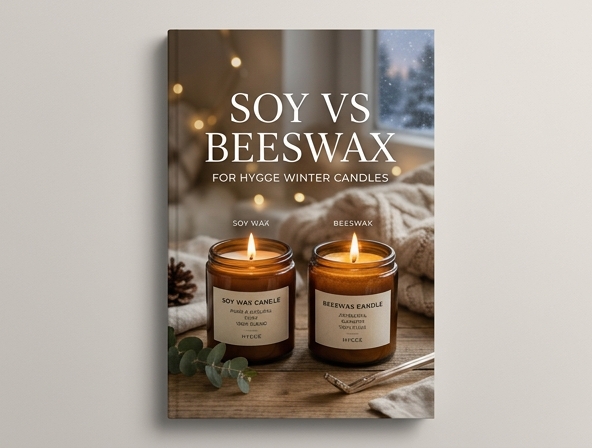
As winter settles in, creating a warm, comforting "hygge" sanctuary at home becomes a priority. However, many candle lovers struggle with headaches from synthetic fragrances, soot-covered walls, or candles that tunnel and burn out far too quickly. Before selecting a signature scent, we must first look at the foundational element of any quality candle: the wax itself.
Selecting the correct natural wax grants you a cleaner burn, a longer-lasting glow, and a healthier indoor environment. While soy wax offers an excellent canvas for custom essential oils, beeswax provides a hypoallergenic, air-purifying option with a subtle, built-in honey aroma. Note, however, that neither option is a one-size-fits-all solution; your choice depends on whether you prioritize scent throw or burn time.
To help you curate the ultimate winter atmosphere, this guide will analyze the burning characteristics, environmental impacts, and overall performance of both soy and beeswax.
Embracing Winter Hygge: The Magic of Candlelight
As the winter wind howls outside and the nights draw in early, we instinctively look for ways to make our homes feel like a safe, warm haven. This is the heart of hygge, the Danish concept of finding deep comfort, warmth, and connection in life's simple pleasures. There is perhaps no faster way to invite this cozy feeling into your living space than by striking a match and lighting a candle. The soft, dancing flicker of a flame immediately softens the sharp edges of a cold day, transforming any room into an intimate sanctuary.
However, as we seek to create the perfect cozy atmosphere, a common question arises: which medium is best for our winter rituals? Today, the debate centers on two of the most popular natural options: soy wax and beeswax. Both offer a beautiful departure from petroleum-derived paraffin, yet each brings a unique history, aesthetic, and energetic footprint to your winter evenings.
Soy Wax: The Modern, Eco-Friendly Cozy Classic
Soy wax represents the gold standard of modern candle making, offering a clean and accessible way to enjoy candlelight. Derived from the oil of natural soybeans, this wax is a completely renewable resource. After the beans are harvested, they are cleaned, cracked, de-hulled, and rolled into flakes. The oil is then extracted from these flakes and hydrogenated, a process that alters the melting point of the oil so that it remains solid at room temperature.
This innovative process revolutionized the industry in the late 20th century, providing a vegan-friendly and biodegradable alternative to traditional waxes. Today, soy candles are celebrated for their incredibly clean burn, producing minimal soot and leaving no toxic residues behind, making them a staple for conscious homeowners looking to elevate their seasonal decor.
Beeswax: The Ancient, Honey-Scented Purifier
Long before modern agriculture gave us soy, honeybees were the original artisans of candle wax. Beeswax is a natural byproduct of honey production, meticulously created by worker bees who secrete the wax from specialized glands to build the intricate structures of their honeycombs. Historically, beeswax candles were considered a luxury reserved for royalty and sacred church ceremonies due to their exquisite quality and superior burning properties.
What makes beeswax truly magical is its inherent sweet, honey-like aroma that gently infuses the air even when unlit. It represents an ancient craftsmanship, offering a slow, warm burn that has been treasured for millennia as a natural air purifier that connects us directly to the rhythms of the natural world.
Burn Time and Longevity: Which Wax Lasts Longer?
When the winter nights are long, you want a candle that can keep pace with your endless reading sessions and quiet evenings. The physical density of the wax plays a massive role in how quickly a candle burns down.
- Beeswax Density: Because beeswax has a high melting point (around 145°F / 63°C), it is extremely dense. This high melting point translates to a significantly slower burn rate, allowing a beeswax candle to outlast almost any other wax type of the same size.
- Soy Wax Melting Point: Soy wax has a lower melting point (typically between 115°F to 125°F / 46°C to 52°C). While it burns much slower and cooler than paraffin, it will generally consume itself faster than a dense beeswax alternative.
If your goal is to have a single, long-lasting pillar candle illuminating your windowsill throughout the entire winter season, beeswax is the champion of longevity.
Scent Throw: Creating the Ultimate Fragrant Ambiance
The olfactory experience is crucial for setting a winter mood, whether you prefer the rich smell of spiced pine or a soft, scent-free background glow.
The Science of Scent Throw
Scent throw refers to how well a candle distributes fragrance into the surrounding air, both when cold (cold throw) and when lit (hot throw). Soy wax behaves like a blank canvas; its molecular structure easily binds with added fragrance oils and essential oils, releasing them consistently and powerfully into the room. This makes soy the absolute favorite for complex, seasonal fragrance blends like pumpkin spice, cedarwood, or vanilla.
In contrast, beeswax carries its own strong, natural identity. Its delicate honey aroma is beautiful on its own but can easily clash with or overpower delicate added fragrance oils. Consequently, beeswax candles are usually left unscented or blended with very simple, robust essential oils that complement its natural sweetness.
Eco-Friendly Footprint: Sustainability and Sourcing
Choosing a sustainable candle allows you to enjoy your cozy sanctuary with a clear conscience, knowing your warmth does not come at the expense of the earth.
Soy wax is a highly renewable, agricultural crop. However, the environmental impact of soy depends heavily on farming practices, as mass-scale soy farming can sometimes be linked to deforestation and heavy pesticide use. Opting for candles made from organic, domestically sourced soy helps mitigate these concerns.
Air Quality: Breathing Easy in Your Cozy Sanctuary
During the winter, we keep our windows shut tight, which means the air quality inside our homes is highly vulnerable to what we burn.
"Beeswax candles are unique in that they produce negative ions when burned. These negative ions attach to positively charged airborne toxins, dust, and pollen, neutralizing them and pulling them out of the air you breathe."
While soy candles do not actively purify the air, they still offer a major health upgrade over paraffin. Soy burns cleanly with virtually zero soot, ensuring that your indoor walls, ceilings, and lungs remain free from the toxic chemicals associated with petroleum-based products.
Aesthetics and Glow: Setting the Visual Tone
The visual impact of a burning candle is just as important as its aroma when creating a comforting space.
Beeswax offers a stunning, deep golden hue that mimics the warm radiance of the sun. The light emitted by a beeswax flame falls on a warmer, yellow-gold spectrum, casting a sun-drenched glow that feels deeply soothing to tired eyes at the end of a long day.
Soy wax possesses a clean, creamy white appearance that fits perfectly into minimalist or modern decor. Because soy wax is naturally pale and opaque, it is highly versatile, allowing candle makers to dye it in beautiful, soft pastel shades to match any interior aesthetic.
Budget vs. Luxury: Price and Accessibility
While we all want the best for our homes, budget and accessibility play an important role in our daily choices.
- The Price of Soy: Soybeans are incredibly abundant and easy to harvest at scale. This abundance makes soy candles highly affordable, offering an accessible everyday luxury that you can burn freely without worrying about the replacement cost.
- The Price of Beeswax: Beeswax is a precious, limited resource. It takes bees consuming approximately eight pounds of honey to produce just one pound of wax. Because of the intensive labor involved for both the bees and the keepers, beeswax candles carry a premium price tag.
Understanding these dynamics helps you decide whether to save your beeswax candles for special, meditative moments or integrate soy candles into your daily routine.
The Hygge Verdict: Choosing Your Perfect Winter Companion
Finding your ideal winter candle comes down to aligning your personal values with the unique properties of each wax.
Which Wax Belongs in Your Home?
If you love experimenting with a wide variety of seasonal scents, prefer a vegan lifestyle, and want an affordable way to burn candles daily, soy wax is your perfect match. Its clean burn and excellent fragrance delivery will fill your home with rich winter aromas all season long.
If you are drawn to ancient rituals, appreciate natural air purification, love a warm honey-colored glow, and want the longest-burning candle possible, invest in the timeless luxury of beeswax. Whichever path you choose, lighting a natural candle is a beautiful commitment to slowing down and enjoying the quiet magic of winter.
Leave a comment