
For many homeowners, creating a cozy, aromatic sanctuary often comes at a frustrating cost: mysterious headaches, irritated sinuses, and a lingering worry over indoor air pollution. This common struggle stems from traditional paraffin wax, a petroleum byproduct that still dominates the candle market. When burned, these conventional candles release heavy soot and hazardous chemicals like benzene and toluene directly into your breathing zone.
Fortunately, transitioning to natural wax alternatives grants you a clean-burning, soot-free experience that actively protects your respiratory health. It is important to stipulate, however, that not all "natural" candles are created equal, as many brands use misleading labels to mask paraffin-blended formulas. To help you make an informed wellness choice, this guide will compare pure beeswax and soy candles across their chemical purity, burn-time efficiency, and environmental footprints, helping you select the ultimate option for pristine indoor air.
Introduction: The Quest for Clean Indoor Air
Many of us light candles to create a cozy, relaxing ambiance, unaware that standard paraffin candles can silently compromise our indoor air quality. Derived from petroleum, paraffin releases harmful toxins like benzene and toluene when burned, mimicking the pollution of diesel exhaust inside your home. To protect your respiratory health while enjoying a warm glow, switching to natural waxes is essential. Soy wax and beeswax emerge as the premier healthy alternatives, offering a clean, non-toxic burn that respects both your lungs and your living space.
Meet the Contenders: Soy and Beeswax Explained
To choose the best candle for your home, it helps to understand what these natural materials actually are. Soy wax is a vegetable-based wax derived from the oil of soybeans. After harvesting, the beans are cleaned, cracked, de-hulled, and rolled into flakes, from which the oil is extracted and hydrogenated to raise its melting point. In contrast, beeswax is a completely natural animal byproduct synthesized by honeybees. Worker bees secrete this wax from specialized glands to build the intricate honeycomb structure of their hives, which beekeepers harvest during honey extraction. The fundamental difference lies in their origin: one is a cultivated agricultural crop, while the other is an organic biological creation.
Combustion and Soot: Which Burns Cleaner?
When comparing how these waxes burn, both soy and beeswax perform exceptionally well compared to petroleum-based alternatives. Standard paraffin candles release thick, black soot that coats walls and enters human lungs, whereas natural waxes burn almost entirely soot-free when wicked correctly. Soy candles produce minimal soot and emit virtually zero volatile organic compounds (VOCs), keeping your indoor atmosphere fresh and breathable.
"Beeswax takes clean burning a step further. Because it is a dense, pure substance created by nature, it burns with a bright, warm flame that produces almost no soot or smoke, making it exceptionally gentle on sensitive airways."
The Science of Beeswax: Negative Ions and Air Purification
Natural Ionizers in Your Home
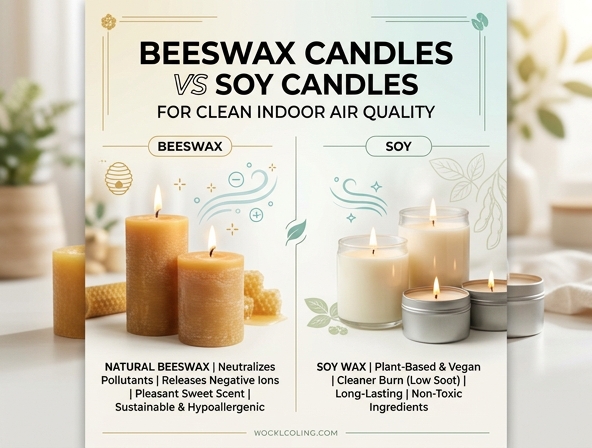
Beyond simply burning cleanly, beeswax possesses a unique scientific attribute that sets it apart from any other candle material. Burning beeswax releases negative ions into the surrounding atmosphere. These negative ions attach themselves to positively charged airborne particles, such as dust, pollen, mold spores, and other common allergens.
Once bound together, these heavy particles drop out of the breathing zone and fall to the floor, where they can be vacuumed or swept away. This process acts as a natural air purifier, making beeswax an incredibly therapeutic choice for individuals seeking to actively cleanse their indoor environment.
The Soy Alternative: Sustainable Plant-Based Warmth
The Power of Plant-Derived Wax
Soy wax stands out as an exceptional, sustainable alternative for those seeking a plant-based home. Because it is derived entirely from soybeans, soy wax is a 100% biodegradable and renewable resource. It boasts a notably low melting point, which means the wax pools quickly and evenly, distributing fragrance gently without requiring intense heat.
This low melting temperature ensures a steady, slow, and clean-burning nature. It allows the candle to burn coolly and safely, reducing the risk of accidental burns while providing a soft, comforting radiance that aligns perfectly with a vegan lifestyle.
Environmental Footprint: Agriculture vs. Apiculture
Evaluating the ecological impact of your candles involves looking closely at how their raw ingredients are sourced. Soy farming and beekeeping interact with the planet in vastly different ways, presenting distinct environmental choices:
- Soy Agriculture: While soy is renewable, industrial soy farming is highly intensive. It often relies on genetically modified organisms (GMOs), heavy pesticide use, and monoculture farming practices that can lead to deforestation and soil depletion.
- Apiculture (Beekeeping): Beekeeping is inherently restorative. Sourcing beeswax supports local beekeepers who actively maintain and protect vital pollinator populations. Healthy hives benefit regional ecosystems through pollination, making beeswax a regenerative, eco-friendly resource.
Choosing between the two depends on whether you prioritize a strictly plant-based lifestyle or the active support of pollinator conservation.
Fragrance and Additives: The Hidden Air Polluters
Even the purest soy or beeswax candle can become toxic if it is loaded with cheap, synthetic additives. Many commercial candle makers blend natural waxes with paraffin or use synthetic chemical binders to help the wax adhere to jars. More importantly, artificial fragrances often contain phthalates and synthetic musks that release endocrine-disrupting chemicals into the air when heated. To safeguard your health, look for candles scented exclusively with 100% pure, therapeutic-grade essential oils or those left entirely unscented.
Longevity and Value: Burn Time Comparison
When investing in non-toxic candles, understanding their longevity is key to determining true cost-efficiency. Beeswax is one of the densest waxes known, featuring a very high melting point of around 145°F (63°C). This high density means that beeswax candles burn significantly slower than soy or paraffin, lasting up to twice as long as standard candles of the same size.
On the other hand, soy wax has a much lower melting point, averaging around 120°F (49°C). While soy candles burn slower than paraffin, they still deplete faster than beeswax. Although beeswax candles carry a higher upfront price tag, their extended burn time and superior density mean they often deliver better long-term financial value.
Head-to-Head: Which is Healthiest for Your Lungs?
For those prioritizing respiratory well-being, selecting the right candle is highly personal. Both natural waxes represent a massive health upgrade from paraffin, but they cater to slightly different physiological needs:
- For Asthma and Allergy Sufferers: Beeswax is the premier choice. Its ability to release negative ions helps clear the air of pollen and pet dander, actively reducing respiratory triggers.
- For Pet-Friendly Homes: Unscented versions of both soy and beeswax are safe. However, beeswax is highly recommended as it emits a subtle, natural honey aroma without the need for added essential oils, which can sometimes irritate sensitive animal noses.
- For Everyday Clean Air: Soy candles offer a wonderful, smoke-free experience that keeps your indoor air pristine, making them an excellent daily-use choice for general lung health.
Buyer's Guide: How to Choose a Truly Clean Candle
To ensure your next candle purchase supports healthy, clean indoor air, navigate the market with this helpful checklist:
- Check for 100% Purity: Avoid products labeled "soy blend" or "beeswax blend" unless the other ingredients are explicitly listed as natural plant waxes, as these blends often contain hidden paraffin.
- Inspect the Wick: Look for wicks made of 100% cotton, hemp, or wood. Avoid any wicks with a shiny metal core, which may contain lead or other heavy metals.
- Verify the Scent: Choose candles scented with pure essential oils or botanical extracts, or select fragrance-free options.
- Support Ethical Brands: Opt for transparent companies that state their sourcing practices, ensuring sustainable agricultural methods or responsible beekeeping.
By keeping these simple criteria in mind, you can confidently fill your home with beautiful, warm light while keeping your indoor air clean and pure.
Leave a comment