
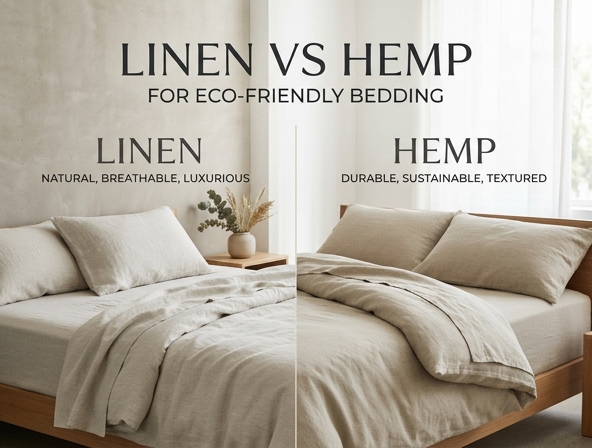
Finding bedding that is genuinely sustainable without sacrificing luxury or longevity is a frustrating challenge for conscious consumers navigating today's crowded marketplace. Before upgrading your sleep sanctuary, it is crucial to recognize how conventional cotton and synthetic fibers dominate retail shelves despite their heavy environmental toll and propensity to trap heat. Investing in premium organic plant-based textiles, however, grants you a lifetime of unparalleled temperature regulation and a drastically reduced household carbon footprint.
To set realistic expectations, it is important to note that both flax-derived linen and industrial hemp possess a distinct, textured drape initially, requiring a brief "breaking-in" period of washing to achieve their signature cloud-like softness. Cultivated with minimal intervention-industrial hemp, for instance, requires up to 50% less water than cotton, while European flax thrives naturally on rainfall alone-these materials represent the pinnacle of regenerative agriculture. In this comprehensive comparison, we will analyze linen and hemp across durability, breathability, cost, and care to help you select the ultimate sheets for your sustainable home.
Introduction: The Rise of Sustainable Sleep
In recent years, the global shift toward conscious consumerism has transformed how we design our living spaces, particularly our bedrooms. As awareness of the environmental impacts of textile production grows, the demand for eco-friendly bedding has surged. Consumers are moving away from resource-intensive synthetic materials and conventional cotton, seeking natural alternatives that promote both personal wellness and ecological balance. Choosing sustainable sheets is no longer a niche luxury; it is a powerful way to reduce one's daily carbon footprint while investing in long-term sleep health.
Among the frontrunners of this green textile revolution, two exceptional plant-based fabrics stand out: flax linen and industrial hemp. Both materials have been celebrated for centuries, yet their modern resurgence represents the cutting edge of sustainable agriculture and circular design. These natural bast fibers require fewer resources to cultivate than traditional cotton, making them the premier choices for individuals wishing to cultivate an environmentally responsible, luxurious, and highly breathable sleep sanctuary.
Understanding Linen: History and Benefits
Linen is one of the world's oldest and most revered textiles, woven from the natural fibers of the flax plant (Linum usitatissimum). Historically, linen was so highly prized in ancient Egypt that it was used as currency and worn as a symbol of purity and light. This enduring legacy is a testament to the fabric's remarkable physical properties. Cultivated primarily in temperate climates with rich soil, flax undergoes a meticulous harvesting and retting process to extract the strong, lustrous fibers hidden within its stalks, which are then spun into beautiful, textured yarns.
Linen bedding has remained a gold standard for quality sleep due to a unique combination of aesthetic appeal and physical performance. The primary benefits of introducing linen into your bedroom include:
- Exceptional Breathability: Linen fibers are naturally hollow, allowing air to flow freely through the weave and keeping your body at an optimal temperature.
- Classic Textured Look: The natural variation in fiber thickness creates the signature "slub" texture, giving linen its relaxed, inviting, and effortlessly elegant drape.
- Hypoallergenic Properties: Flax linen is naturally resistant to bacteria, mold, and dust mites, making it incredibly gentle on sensitive skin.
- Moisture Management: Linen can absorb up to 20% of its dry weight in moisture before feeling damp, keeping you dry and comfortable throughout the night.
Exploring Hemp: The Durable Green Giant
Hemp bedding is crafted from the fibers of the industrial hemp plant (Cannabis sativa), a remarkably resilient crop that has served humanity for millennia. Historically used for rugged sails, ropes, and paper due to its unmatched strength, hemp is now processed with advanced textile technologies to create exceptionally soft, high-performance bedding. The industrial hemp plant is famously easy to grow, featuring a rapid growth cycle of just 100 to 120 days. It thrives in a wide range of climates and grows densely, naturally crowding out weeds and eliminating the need for synthetic herbicides.
Hemp has earned its reputation as a champion of environmental restoration and structural integrity. The core qualities of hemp bedding highlight why it is considered a premier sustainable material:
- Incredible Tensile Strength: Hemp possesses some of the strongest natural fibers in the plant kingdom, resulting in sheets that resist tearing and wear for decades.
- Active Carbon Sequestration: Hemp absorbs more carbon dioxide per acre during its rapid growth phase than most commercial crops and forests, acting as a natural carbon sink.
- Natural Antimicrobial Shield: The plant's inherent properties carry over into the woven textile, helping hemp sheets resist odors, microbes, and mildew.
- Soil Rehabilitation: Hemp is a deep-rooting phytoremediator, meaning it cleans toxins from the earth while depositing vital nutrients back into the topsoil.
Ecological Footprint: Cultivation and Sustainability Comparison
Flax vs. Hemp Cultivation and Environmental Impact
When evaluating the environmental impact of these two exceptional crops, both flax and hemp represent a massive leap forward compared to conventional cotton. However, subtle differences in their cultivation highlights unique ecological advantages. Flax is primarily grown in Western Europe, where natural rainfall is sufficient to sustain the crop without artificial irrigation. It requires minimal fertilizers and virtually no pesticides to thrive, ensuring that the surrounding ecosystems remain free of harmful chemical runoff.
Industrial hemp raises the bar for eco-efficiency even further. Hemp requires slightly more water than flax during its initial growth phase, but its incredibly deep taproot system allows it to access deep water tables, reducing supplemental irrigation needs. Furthermore, hemp produces a higher yield of fiber per acre than flax and is a superior crop for agricultural rotation. Because hemp grows so densely, it naturally suppresses weeds without chemical assistance, while its deep roots stabilize soil structures and prevent erosion. Both plants produce completely biodegradable fibers, ensuring that your sheets can return safely to the earth at the end of their lifecycle.
Durability and Tensile Strength: Which Sheets Last Longer?
When investing in premium natural bedding, longevity is a key consideration. Both flax and hemp are renowned for their exceptional lifespan, far outlasting cotton sheets which tend to thin and tear after a few years of regular washing. This extraordinary durability is rooted in the structure of the plants themselves; both flax and hemp are categorized as long-bast fibers, which run the entire length of the plant's stalk, providing structural integrity that translates directly into woven textiles that are highly resilient against daily wear and friction.
While both materials are incredibly tough, hemp holds a slight mechanical advantage. Hemp fibers are naturally longer, thicker, and possess a higher tensile strength than those of the flax plant. This structural density means hemp sheets can withstand countless wash cycles without losing their shape or thinning out.
"Hemp's structural fiber profile is unmatched by any other cultivated plant. Its high resistance to abrasion and pulling forces means that while flax linen remains highly resilient for generations, hemp sheets are virtually indestructible, maintaining their integrity for decades."
Thermoregulation and Breathability: Sleeping Hot vs. Cool
Achieving a deep, restorative sleep state requires a stable, comfortable body temperature. Many hot sleepers struggle with synthetic sheets that trap body heat and perspiration, leading to disrupted rest. Both flax linen and hemp excel at natural temperature regulation, functioning as dynamic microclimates that adapt to your body's needs throughout the seasons.
Flax Linen Cooling Dynamics
Flax linen is globally celebrated for its cooling efficiency. Because the fibers are naturally thick and hollow, the weave of linen fabric contains tiny air pockets. These pockets facilitate continuous ventilation, allowing heat to escape instantly. Combined with its high moisture-wicking capacity, linen ensures that night sweats are quickly drawn away from the skin and evaporated, leaving you feeling cool, dry, and refreshed during humid summer nights.
Hemp Thermoregulation Properties
Hemp bedding operates on a similar thermodynamic principle, utilizing its porous fiber structure to insulate or cool as needed. In the winter, the hollow passages inside hemp fibers trap a layer of warm air warmed by your body heat, creating a lightweight barrier against cold bedroom air. In the summer, these same fibers allow excess warmth to dissipate rapidly. No matter which material you select, both offer superb year-round thermoregulation that guarantees comfortable sleep in both peak summer and deep winter.
Texture and Softness: The Tactile Experience
The sensory experience of crawling into bed is highly personal, and both linen and hemp offer a distinct tactile journey. Out of the box, both fabrics feel significantly different from the silky, uniform slip of sateen cotton. Instead, they present a more substantial, earthy texture. Unwashed hemp sheets are notoriously stiff upon arrival due to the sheer density and strength of the fibers, whereas flax linen offers a slightly softer, more pliable starting texture characterized by its signature, gentle lived-in aesthetic.
The magic of both bast fibers lies in their behavior over time. Every single wash cycle breaks down the natural pectins holding the fibers together, transforming the initial stiffness into an unmatched softness without degrading the fabric. Linen softens to a fluid, buttery drape relatively quickly. Hemp takes a bit longer to break in, but it rewards the patient sleeper by developing a rich, suede-like texture that feels incredibly comforting against the skin. Both fabrics celebrate their natural wrinkles, presenting a relaxed, organic look that rejects the clinical, ironed appearance of synthetic linens.
Maintenance Guide: How to Care for Linen and Hemp
To preserve the natural beauty, tensile strength, and unique texture of your flax linen and hemp sheets, proper care is essential. Fortunately, these fabrics are incredibly low-maintenance and actually thrive on regular, gentle washing. By avoiding harsh chemicals and excessive heat, you can ensure your investment in eco-friendly bedding remains pristine and cozy for many years to come.
- Wash in Cool to Warm Water: Machine wash your sheets using a gentle cycle with cool or lukewarm water. Hot water can cause natural fibers to shrink or weaken prematurely.
- Use Mild Liquid Detergent: Opt for a mild, eco-friendly liquid detergent. Avoid chlorinated bleaches, optical brighteners, and fabric softeners, as these leave a chemical residue that coat and stiffen the breathable fibers.
- Tumble Dry on Low Heat: Line dry your sheets whenever possible to save energy and protect the fibers. Alternatively, tumble dry on a low-heat setting, removing them while they are still slightly damp to prevent stubborn creases.
- Skip the Ironing: Embrace the natural, relaxed drape and soft wrinkles of linen and hemp. If you prefer a smoother finish, iron your sheets while they are damp using a medium-hot steam setting.
Cost and Market Availability: Making an Investment
When shopping for sustainable bedding, you will quickly notice that both flax linen and hemp carry a higher initial price tag than conventional cotton or polyester sheets. This premium cost is a direct reflection of the specialized cultivation, harvesting, and processing methods required to turn tough plant stalks into soft, weaveable yarn. Because these crops are processed using artisanal techniques and environmentally conscious manufacturing standards, the production yield is lower and more labor-intensive, which drives up the retail price.
However, evaluating these fabrics solely on their upfront cost overlooks their exceptional value proposition. Because flax and hemp outlast cotton by a factor of three to one, the cost-per-use over their lifetime is remarkably low. Purchasing a high-quality set of bast-fiber sheets means you will not need to replace your bedding for many years, reducing waste and saving money over time.
The Verdict: Choosing the Right Eco-Friendly Sheets for Your Home
The Sustainable Bedding Decision Matrix
Selecting the perfect set of eco-friendly sheets comes down to prioritizing your personal sleep preferences, aesthetic desires, and environmental goals. Both flax linen and hemp are outstanding sustainable materials that outperform standard synthetic bedding in breathability, durability, and ecological responsibility. By focusing on your tactile preferences and the minor differences in their agricultural footprints, you can confidently invest in a sheet set that will elevate your sleep quality for a lifetime.
- Choose Flax Linen If: You prefer a classic, relaxed look with a faster break-in period, desire a wide array of color options, and want a highly breathable fabric that feels instantly familiar and comfortable.
- Choose Industrial Hemp If: You want the absolute highest standard of durability, prefer a slightly heavier and cozy weight, want to maximize your positive environmental impact through superior carbon sequestration, and enjoy watching a fabric soften uniquely over years of use.
Leave a comment