
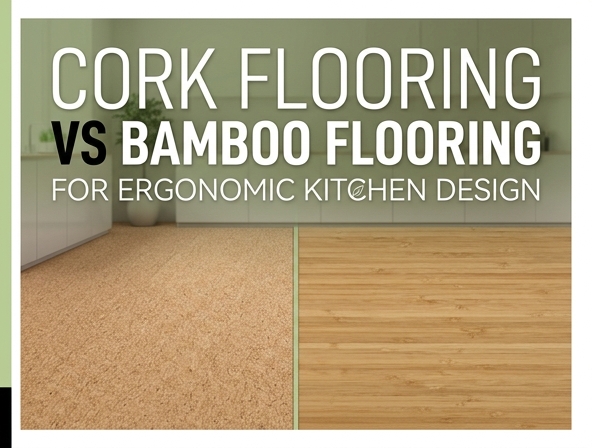
Standing at the kitchen counter for hours preparing meals often leads to aching feet, lower back fatigue, and joint stiffness. While traditional design choices like ceramic tile or hardwood look beautiful, their unforgiving rigidity offers zero shock absorption for the active home cook.
Upgrading to a resilient, ergonomic surface doesn't just relieve physical strain; it also elevates your home's sustainability and comfort. However, true kitchen ergonomics require a careful balance: the material must offer enough micro-yield to cushion impact, yet remain dense enough to withstand heavy traffic and moisture. For instance, a quality floor must provide both compressive recovery and thermal insulation to keep joints warm and supported.
In this guide, we will compare cork and bamboo across key performance metrics-including durability, moisture resistance, and underfoot give-to help you select the ideal ergonomic foundation for your culinary space.
The Joint-Friendly Kitchen: Why Your Choice of Flooring Matters
The kitchen is often called the heart of the home, but it is also the place where we spend hours on our feet. From chopping vegetables to washing dishes, the repetitive strain of standing on hard surfaces can take a toll on our bodies. This is where ergonomic flooring comes into play, offering a surface designed to support the body. Among the choices available, cork and bamboo stand out as the top two sustainable, joint-friendly contenders for modern kitchens.
What Makes Flooring Ergonomic? Understanding Underfoot Give
The science of ergonomics underfoot relies on the concept of elasticity and shock absorption. When we step onto a surface, our feet exert downward force. An unforgiving surface like concrete or ceramic tile yields no deflection, forcing that kinetic energy back up through our bones. Over time, this repetitive impact stresses the joints, knees, and lower back, leading to chronic fatigue. An ergonomic floor offers underfoot give, absorbing shock and reducing muscle strain.
Cork Flooring: The Soft and Cushiony Natural Contender
Cork is a remarkably resilient material harvested from the bark of the cork oak tree. Its unique cellular structure resembles a honeycomb, filled with millions of microscopic, air-tight pockets. This natural architecture provides exceptional cushioning and acoustic benefits, as well as excellent thermal insulation to keep the kitchen floor warm underfoot.
- Natural elasticity that compresses and bounces back with every step.
- Thermal properties that prevent cold drafts from chilling your feet.
- A soft, cushiony texture that makes long meal prep sessions feel effortless.
The Reality of Cork in a Wet Kitchen Environment
While cork offers supreme comfort, using it in a kitchen requires understanding its physical limits. Cork contains suberin, a natural waxy substance that resists moisture and mold, but it is not entirely waterproof. To protect against kitchen spills, it requires regular sealing with polyurethane. Additionally, its soft nature makes it susceptible to permanent indentations from heavy appliances or damage from sharp dropped objects.
Bamboo Flooring: The Sleek, Durable, and Modern Challenger
Bamboo flooring brings a sleek, contemporary aesthetic to the kitchen. Though often categorized as wood, bamboo is actually a fast-growing grass. Strand-woven bamboo, the most durable variety, is manufactured by shredding bamboo fibers and compressing them under immense heat and pressure with eco-friendly resins. This results in an incredibly dense flooring material with remarkable tensile strength.
- Strand-woven manufacturing provides a Janka hardness rating higher than most hardwoods.
- Sleek, modern aesthetic that fits seamlessly into contemporary designs.
- High resistance to dents, scratches, and heavy foot traffic.
Bamboo under Tension: Balancing Hardness with Ergonomics
Because strand-woven bamboo is highly compressed, it is exceptionally hard. This extreme hardness raises a crucial ergonomic question: does it compromise comfort during long standing sessions? While it offers slightly more natural give than ceramic tile or concrete, it is still significantly firmer than cork. Homeowners can mitigate this hardness by using a high-quality ergonomic underlayment, such as cork or foam, which introduces necessary cushioning beneath the surface.
Head-to-Head: Cushioning and Joint Relief Comparison
When comparing cork and bamboo directly on shock absorption, they serve different physiological needs. Cork is the undisputed champion for direct, built-in cushioning, whereas bamboo requires help from underlayment to provide substantial relief.
| Ergonomic Feature | Cork Flooring | Bamboo Flooring |
|---|---|---|
| Shock Absorption | Excellent (microscopic air pockets) | Moderate (depends heavily on underlayment) |
| Plantar Fasciitis Relief | High (reduces heel pressure) | Low to Moderate (requires soft underlayment) |
| Fatigue & Back Pain Relief | Superior for long periods of standing | Standard (similar to traditional hardwood) |
Maintenance and Durability: Spills, Scratches, and Cleanliness
A kitchen floor must be able to withstand constant daily hazards. If you drop a heavy cast iron pan, cork might puncture or dent, whereas strand-woven bamboo will likely resist the impact without a scratch. When it comes to pet claws, bamboo is highly resilient, while cork is easily scratched and requires protective mats. For spills and daily cleaning, bamboo requires less intensive maintenance, while cork needs immediate spill cleanup and periodic resealing to prevent moisture damage.
The Green Footprint: Which Flooring is More Sustainable?
Both materials boast outstanding ecological credentials, but they achieve sustainability through different biological mechanisms. Cork is harvested by carefully stripping the outer bark of the cork oak tree, which naturally regenerates every nine years without harming the living tree. Bamboo, on the other hand, is a rapid-growth grass that can be harvested every three to five years, spreading quickly without needing replanting.
When shopping for either material, look for Forest Stewardship Council (FSC) certification to guarantee responsible forestry and harvesting practices that protect local ecosystems.
The Final Verdict: Choosing the Best Ergonomic Floor for Your Kitchen
Selecting the ideal surface depends on your household's unique priorities. If your primary goal is to alleviate joint pain and enjoy a warm, soft surface underfoot during meal preparation, cork is your best choice. If your kitchen experiences heavy foot traffic, pets, and dropped items, and you prefer a sleek, modern aesthetic with long-lasting resilience, bamboo is the superior option. Assess your lifestyle needs to select the perfect sustainable surface for your culinary workspace.
Leave a comment