
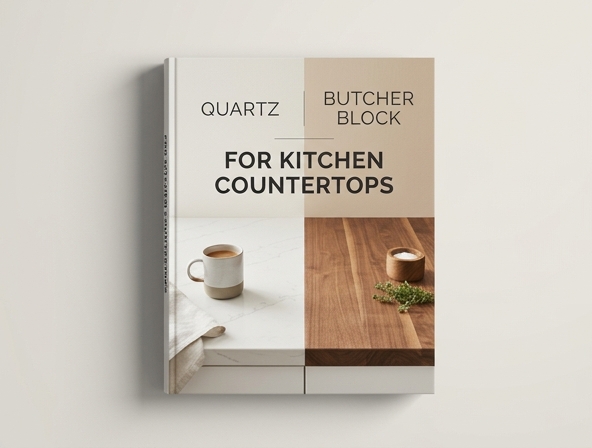
Keeping a busy kitchen organized and pristine can feel like a losing battle, especially when your surfaces actively work against your daily routine. Before investing in specialized storage bins or drawer dividers, it is crucial to recognize that your countertop material itself dictates how efficiently you can prep, clean, and maintain order.
Aligning this material choice with your culinary habits grants you an inherently low-maintenance workspace, unlocking effortless daily upkeep and streamlined workflows. However, a key stipulation remains: no single surface suits every household, as engineered stone offers vastly different functional advantages than natural wood. For instance, a home cook prone to olive oil spills requires a different organizational setup than a baker seeking a dedicated pastry-kneading zone.
To help you navigate this decision, this guide will compare quartz and butcher block across durability, maintenance, and storage compatibility, ensuring you choose the ideal foundation for your organized kitchen.
Introduction: The Countertop Dilemma in an Organized Kitchen
The kitchen is the heart of the home, but more practically, it is a high-functioning workspace where efficiency hinges on layout and surface usability. When designing a workspace that supports a smooth meal preparation flow, the material under your cutting boards and mixing bowls plays a pivotal role. The right surface can actively support kitchen organization, minimize cleaning friction, and streamline your daily culinary routines.
A disorganized kitchen often stems from surfaces that are difficult to clean, prone to damage, or poorly matched to your cooking style. Selecting between quartz countertops and butcher block countertops is one of the most critical decisions a homeowner can make. This comparison goes beyond mere aesthetics; it determines how you prep, sanitize, and maintain order in your culinary sanctuary.
Quartz Countertops: The Low-Maintenance Powerhouse
Engineered quartz has quickly become the gold standard for high-efficiency, modern kitchens. Consisting of roughly 90 to 95 percent crushed natural quartz crystal bound together with polyester resins and pigments, this surface is engineered specifically to withstand the rigors of heavy kitchen usage without demanding constant upkeep.
An Impermeable, Non-Porous Shield
Unlike natural stone slabs, quartz is entirely non-porous. This means that common staining agents like red wine, coffee, lemon juice, and olive oil sit on the surface rather than penetrating the material. Because liquids cannot seep in, cleanup requires nothing more than a quick wipe with a damp microfiber cloth and mild soap, keeping your workspaces clear and ready for the next task at hand.
Unmatched Stain and Chemical Resistance
The manufacturing process ensures there are no microscopic cracks or pores where bacteria and residues can hide. You never have to worry about resealing your countertops annually, allowing you to focus your energy on maintaining an organized, clutter-free prep environment rather than tedious stone maintenance rituals.
Butcher Block Countertops: Warmth, Texture, and Practical Utility
For those who crave an organic and inviting atmosphere, butcher block countertops offer an appeal that synthetic materials simply cannot replicate. Crafted from individual strips of hardwood-such as maple, cherry, oak, or walnut-bonded together, wood countertops introduce a rich textural warmth and natural variation that softens the hard edges of modern kitchen appliances.
Beyond its cozy visual appeal, a true butcher block surface serves as a highly functional, integrated cutting plane. Instead of searching for and washing multiple loose cutting boards, you can prep veggies, slice bread, and organize your ingredients directly on the wood surface. This unique utility minimizes the steps required to prepare a meal and keeps loose clutter off your kitchen surfaces, making the entire preparation process feel incredibly grounded and tactile.
Durability and Maintenance: How They Stand Up to Daily Use
Both materials offer excellent longevity, but their day-to-day care requirements and resistance to physical wear vary dramatically. Understanding these operational differences is key to maintaining a functional workspace over time.
- Quartz Durability: Highly scratch-resistant and highly resilient against impact. It can tolerate moderate heat, though trivets are recommended to prevent thermal shock from hot pans.
- Quartz Maintenance: Virtually maintenance-free. It requires no sealing, waxing, or specialized chemical treatments over its entire lifespan.
- Butcher Block Durability: Wood is a softer material that is susceptible to scratches, dings, and water damage. Extreme heat from pots and pans will scorch the wood, requiring immediate protection.
- Butcher Block Maintenance: Demands routine sealing with food-safe mineral oil or beeswax every few weeks to prevent moisture absorption and cracking. However, it can be sanded down and refinished to erase deep scratches or stains, restoring it to a like-new state.
Hygiene and Food Safety: Managing Kitchen Bacteria
Kitchen surfaces are hotbeds for cross-contamination if not managed properly. Keeping your family safe requires an understanding of how your chosen surface interacts with biological materials during food prep.
Quartz provides a highly reliable defense against bacteria because of its engineered, non-porous structure. Since liquid cannot penetrate the surface, harmful pathogens, mold, and mildew have nowhere to harbor or multiply. This makes sanitizing the countertop incredibly simple, requiring no harsh chemical disinfectants to guarantee a clean workspace.
Wood, on the other hand, possesses natural antimicrobial properties. Capillary action in hardwoods draws bacteria down into the grain where they are deprived of oxygen and moisture, eventually dying off. However, to keep this defense mechanism active, butcher block must be thoroughly sealed and dry. Unsealed wood can absorb meat juices, leading to deep-seated contamination that is difficult to neutralize.
Workflow and Prep Efficiency: Impact on Daily Kitchen Tasks
Your choice of countertop directly governs the speed and layout of your daily culinary tasks, dictating how many steps you take from fridge to pan.
The Quartz Workflow: Clean Lines and Containment
In a quartz-heavy kitchen, work is highly organized through containment. Because you cannot chop directly on the quartz without dulling your knives or risking scratches to the resin, your workflow relies on movable cutting boards. This setup is highly effective for cooks who prefer to prep ingredients in bowls and easily slide them into pots, keeping the quartz surface pristine and ready for easy post-prep sanitation.
The Butcher Block Workflow: Fluid and Centered
The butcher block workflow is fluid and rustic. The entire countertop acts as your canvas. You can move from slicing vegetables to rolling out pastry dough without interrupting your physical momentum. This eliminates the step of cleaning separate boards, though it does require a disciplined cleaning routine immediately after prep work is completed to protect the wood grain.
Design and Aesthetics: Aligning with Your Kitchen Style
Aesthetics play a critical role in how peaceful and organized a kitchen feels. Visual clutter can be amplified by highly chaotic patterns, whereas the right material establishes a harmonious design foundation.
Quartz is a master of versatility. Because it is engineered, manufacturers can replicate the clean, uniform look of white marble, bold concrete, or sleek solid colors. This makes quartz the perfect anchor for modern, minimalist, and high-end luxury kitchen designs where clean lines and light reflection are paramount.
Butcher block offers a dramatic departure from this manufactured perfection. It introduces earthy warmth, grounding the room and complementing rustic, farmhouse, traditional, or cozy organic kitchen layouts. The wood grain brings character and tells a story, making the kitchen feel more like a living space than an industrial lab.
Cost Analysis: Upfront Pricing vs. Long-Term Value
Evaluating the financial commitment requires balancing the initial purchase price against the long-term value and durability of the material.
| Countertop Material | Average Cost (Installed per Sq. Ft.) | Expected Lifespan | Maintenance Costs |
|---|---|---|---|
| Quartz | $75 - $150+ | 30+ Years | Virtually None |
| Butcher Block | $40 - $100 | 20 - 30 Years (With proper care) | Moderate (Oils, sealants, sanding supplies) |
While butcher block is often more affordable upfront and can even be installed as a DIY project, its long-term cost includes the time and products required for regular oiling. Quartz, though requiring a higher initial investment and professional installation, offers exceptional long-term ROI due to its near-indestructible nature and lack of upkeep costs.
The Hybrid Approach: Combining Both for Peak Performance
You do not have to limit yourself to just one material. Many highly organized kitchens utilize a hybrid design to leverage the unique strengths of both quartz and butcher block, matching the material directly to the specific activity zone.
A highly effective layout involves installing quartz along the perimeter countertops-specifically around the sink, stovetop, and dishwashing zones-where water exposure, high heat, and heavy messes are common. This ensures the messy zones are incredibly easy to clean and completely waterproof.
Simultaneously, you can dedicate your kitchen island to a butcher block top. This turns the central hub of your kitchen into an expansive prep station where you can chop ingredients, roll dough, and entertain guests around a warm, inviting natural wood surface.
Conclusion: Choosing the Perfect Surface for Your Organized Space
Your ideal countertop should effortlessly support your daily routine, aligning perfectly with how much time you want to spend maintaining your kitchen. Both quartz and butcher block offer incredible advantages, but they cater to very different styles of home management and cooking behaviors.
To help you make the right choice for your lifestyle, use this quick decision-making checklist:
- Choose Quartz if: You prioritize a fast, wipe-and-forget cleanup, want a highly sterile environment with minimal effort, and prefer a modern aesthetic.
- Choose Butcher Block if: You want a warm, organic vibe, love the idea of chopping directly on your countertops, and do not mind regular conditioning.
- Choose the Hybrid Method if: You want the absolute best of both worlds, dividing your kitchen into dedicated zones for high-moisture cleaning and dry prep work.
Leave a comment